全国で、古くなった水道管を新しくする工事が進んでいる2。日本の水道管の多くは50年ほど前に造られており、決められた寿命を超えたものも少なくない3。
各地では水道管が破れ、道路に水があふれる事故が起きている4。断水が続くと、生活や仕事に大きな影響が出る5。国は自治体に対し、点検と交換を急ぐよう求めている6。
ただし、工事には多くの費用と時間がかかる7。人口が減っている地域では水道料金の収入も減り、負担は重くなっている8。複数の市町村が協力して水道事業を運営する動きも広がっている9。
(ふるい)
old (things)
(すいどうかん)
water pipe; water main
(こうかんこうじ)
replacement work
(ぜんこく)
nationwide; the whole country
(すすむ)
to advance, to progress
(あたらしい)
new
(こうじ)
construction work
(にほん)
Japan
(おおい)
many
(ねん)
year
(ほど)
approximately; about; to the extent
(まえ)
before, previous
(つくる)
to build, to manufacture
(きめる)
to decide
(じゅみょう)
lifespan, service life
(こえる)
to exceed
(もの)
thing
(すくない)
few, scarce
(かくち)
various places, everywhere
(やぶれる)
to tear; to burst; to break
(どうろ)
Road; street
(みず)
water
(あふれる)
to overflow; to flood
(じこ)
accident; incident
(おきる)
to happen, occur
(だんすい)
water supply cutoff
(つづく)
to continue
(せいかつ)
daily life; livelihood
(しごと)
work, job
(おおきな)
big (attrib.)
(えいきょう)
Influence; impact; effect
(でる)
to come out; to occur
(くに)
country; the government
(じちたい)
local government / municipality
(てんけん)
inspection
(こうかん)
exchange; swap
(いそぐ)
to hurry, to rush
(もとめる)
to seek, request
(ただし)
however, provided that
(ひよう)
expense, cost
(じかん)
time
(かかる)
to take (time/money), cost
(じんこう)
population
(へる)
to decrease / to diminish
(ちいき)
region; area
(すいどうりょうきん)
water charges; water bill
(しゅうにゅう)
income, revenue
(ふたん)
burden, bear (cost)
(おもい)
heavy
(ふくすう)
several, plural
(しちょうそん)
municipalities; cities, towns and villages
(きょうりょく)
cooperation
(すいどうじぎょう)
waterworks operations
(うんえい)
management / administration
(うごき)
movement; trend
(ひろがる)
to spread
to become (い-adjective)
Expresses a change of state for い-adjectives. Drop the final い and add くなる. Indicates something has changed or will change to a new state.
寒くなりました。
It has gotten cold.
日本語が上手になりました。
My Japanese has gotten better.
値段が高くなりました。
The price became expensive.
To make ~ (adjective)
い-adjective stem + くする means 'to make something (adjective).' 安くする means 'to make cheaper.'
部屋を明るくしました。
I made the room brighter.
is doing, has been doing (ongoing state/action)
Expresses a continuing action or resulting state. Formed with て-form + いる. Can describe an action in progress or a state resulting from a past change.
今、ご飯を食べています。
I am eating rice now.
東京に住んでいます。
I live in Tokyo.
ドアが開いています。
The door is open.
and (formal ~ている)
Formal/written form of ~ていて, connecting clauses. Here competition is becoming fierce, and... (激しくなっており).
店は開いており、客も多い。
The shop is open, and there are many customers.
雨が降っており、寒い。
It is raining, and it's cold.
passive voice: was/were ~ed
Passive form indicating that the subject receives the action. '食べられて' means 'were eaten'. Central grammar of this article about tulips being eaten by deer.
ケーキが弟に食べられた。
The cake was eaten by my little brother.
there are not a few ~, quite a few ~
A double negative used in news writing to say a number is significant without giving a figure. Here it means quite a few bridges are still closed.
反対する人も少なくありません。
There are quite a few people who oppose it.
同じ問題を持つ町も少なくない。
There are not a few towns with the same problem.
if / when (natural consequence)
Conditional と indicating a natural or expected result. 一緒に捨てると…火が出て means 'if you throw them away together, fire starts.'
ボタンを押すと、ドアが開きます。
When you press the button, the door opens.
春になると、桜が咲きます。
When spring comes, cherry blossoms bloom.
in response to ~; toward ~
Signals Israel's response to the international criticism mentioned previously.
質問に対して丁寧に答えた。
He politely answered the question.
これに対して反対する人もいる。
Some people are against this.
to request/urge that ~
注意するよう求めています means experts are urging people to be careful of aftershocks.
余震に注意するよう求めています
They are urging caution against aftershocks.
静かにするよう求めた
They requested that people be quiet.
古い水道管の交換工事が全国で進む
Work to replace old water pipes is moving ahead nationwide
全国で、古くなった水道管を新しくする工事が進んでいる。
Across the country, work to replace aging water pipes with new ones is under way.
日本の水道管の多くは50年ほど前に造られており、決められた寿命を超えたものも少なくない。
Many of Japan's water pipes were built about 50 years ago, and quite a few have passed the service life set for them.
各地では水道管が破れ、道路に水があふれる事故が起きている。
In various places, accidents are happening in which water pipes burst and water floods the roads.
断水が続くと、生活や仕事に大きな影響が出る。
When a water outage drags on, daily life and work are seriously affected.
国は自治体に対し、点検と交換を急ぐよう求めている。
The national government is calling on local authorities to hurry with inspections and replacements.
ただし、工事には多くの費用と時間がかかる。
That said, the work takes a great deal of money and time.
人口が減っている地域では水道料金の収入も減り、負担は重くなっている。
In areas where the population is shrinking, income from water charges is falling too, and the burden is growing heavier.
複数の市町村が協力して水道事業を運営する動きも広がっている。
A move toward several municipalities working together to run their waterworks is also spreading.
2026年09月22日 19:21
著者: jpreader
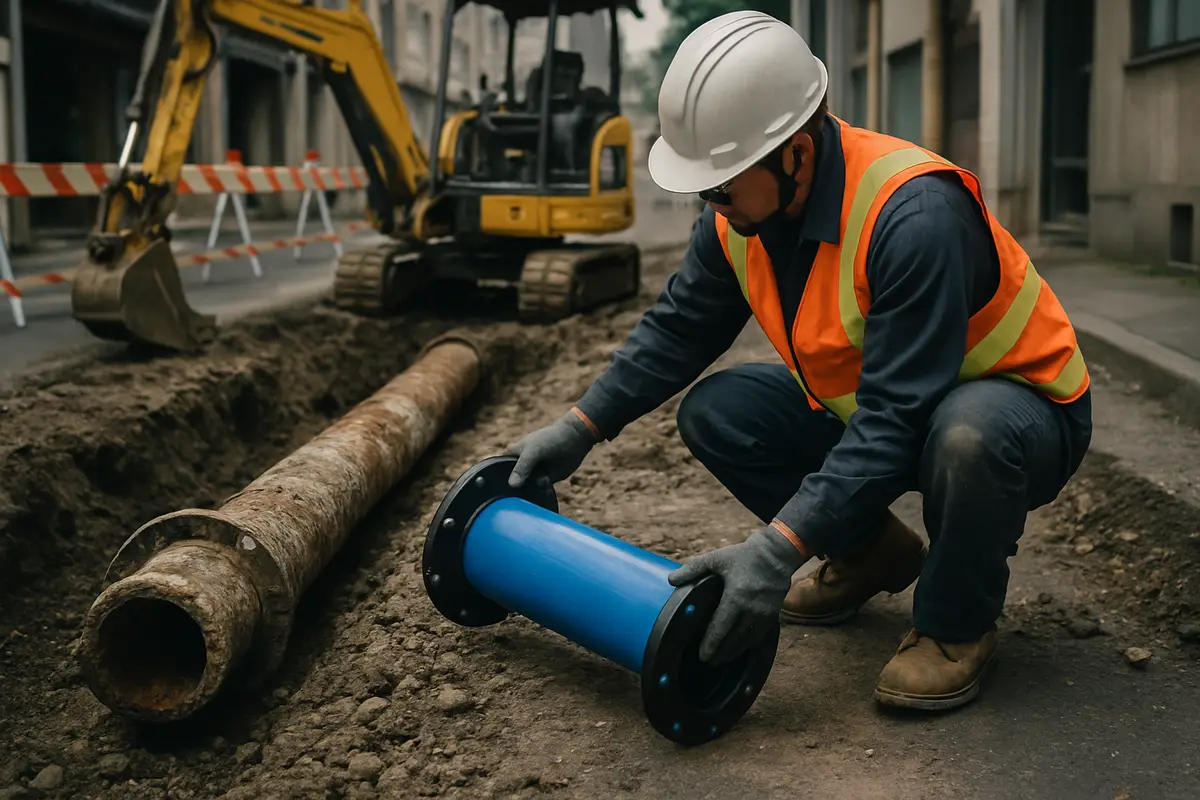
この画像はAIで生成され、学習目的で使用されています。
This image is AI-generated and used for educational purposes.
全国で、古くなった水道管を新しくする工事が進んでいる2。日本の水道管の多くは50年ほど前に造られており、決められた寿命を超えたものも少なくない3。
各地では水道管が破れ、道路に水があふれる事故が起きている4。断水が続くと、生活や仕事に大きな影響が出る5。国は自治体に対し、点検と交換を急ぐよう求めている6。
ただし、工事には多くの費用と時間がかかる7。人口が減っている地域では水道料金の収入も減り、負担は重くなっている8。複数の市町村が協力して水道事業を運営する動きも広がっている9。
Discussion
to rate or comment.
No comments yet.