文部科学省の調べで、目が悪い子どもが増えていることがわかりました2。視力が1.0より低い小学生は4割近くいます3。中学生では約6割です4。
医者によると、スマートフォンやゲームの画面を近くで長い時間見ることが、原因の一つです5。外で遊ぶ時間が短くなったことも関係があると考えられています6。
専門家は、30分ぐらい画面を見たら、少し休んで遠くを見るように言っています7。また、1日に2時間ぐらい外で過ごすことも、目のためにいいそうです8。
(め)
eye
(わるい)
bad
(こども)
child
(ふえる)
to increase; to grow
(もんぶかがくしょう)
Ministry of Education, Culture, Sports, Science and Technology
(しらべ)
investigation; survey
(しりょく)
eyesight, vision
(ひくい)
low
(しょうがくせい)
elementary school student
(わり)
ten percent, proportion
(ちかく)
nearby
(ちゅうがくせい)
middle school student
(やく)
approximately, about
(いしゃ)
doctor
(がめん)
screen, display
(ながい)
long
(じかん)
time
(みる)
to see, watch
(げんいん)
cause / reason
(ひとつ)
one (thing)
(そと)
outside
(あそぶ)
to play
(みじかい)
short
(かんけい)
relation
(せんもんか)
expert, specialist
(ぐらい)
about, approximately
(すこし)
a little
(やすむ)
to rest; to take a break
(とおく)
far away / distance
(すごす)
to spend (time)
is doing, has been doing (ongoing state/action)
Expresses a continuing action or resulting state. Formed with て-form + いる. Can describe an action in progress or a state resulting from a past change.
今、ご飯を食べています。
I am eating rice now.
東京に住んでいます。
I live in Tokyo.
ドアが開いています。
The door is open.
to find out that ~; to realize that ~
Used to report the discovery that many oysters had died when harvesting began.
間違っていたことがわかった。
I realized it was wrong.
本当だということがわかった。
I found out it was true.
according to ...
Cites a source of information. The noun before によると is the source. Often followed by a reported statement.
天気予報によると、明日は雨です。
According to the weather forecast, it will rain tomorrow.
ニュースによると、地震がありました。
According to the news, there was an earthquake.
先生によると、テストは来週です。
According to the teacher, the test is next week.
to become (い-adjective)
Expresses a change of state for い-adjectives. Drop the final い and add くなる. Indicates something has changed or will change to a new state.
寒くなりました。
It has gotten cold.
日本語が上手になりました。
My Japanese has gotten better.
値段が高くなりました。
The price became expensive.
is considered to be ~
Passive form expressing general consensus.
いちばん強いレベルだと考えられています。
It is considered the strongest level.
安全だと考えられている。
It is considered safe.
if ..., when ...
Conditional form indicating 'if' or 'when' something happens. Formed by adding ら to the た-form of a verb. Expresses a hypothetical or temporal condition.
雨が降ったら、行きません。
If it rains, I won't go.
お金があったら、旅行したいです。
If I had money, I'd like to travel.
終わったら、電話してください。
When you're done, please call me.
to tell (someone) to ~
Used to convey instructions or requests indirectly. Police are telling people to contact them.
連絡するように言っています。
They are telling people to contact them.
先生は静かにするように言いました。
The teacher said to be quiet.
I hear that ~, they say that ~
Attached to a plain form to report information heard from another source. The article uses it because the increase in collected oil is reported second-hand rather than observed directly.
来月から値段が上がるそうです。
I hear prices will go up from next month.
去年より客が増えたそうです。
They say there were more customers than last year.
目が悪い子どもが増えている
More children have poor eyesight
文部科学省の調べで、目が悪い子どもが増えていることがわかりました。
A survey by the Ministry of Education has found that the number of children with poor eyesight is rising.
視力が1.0より低い小学生は4割近くいます。
Nearly 40% of elementary school students have vision below 1.0.
中学生では約6割です。
Among junior high school students, it is about 60%.
医者によると、スマートフォンやゲームの画面を近くで長い時間見ることが、原因の一つです。
According to doctors, looking at smartphone and game screens up close for long periods is one of the causes.
外で遊ぶ時間が短くなったことも関係があると考えられています。
It is thought that children spending less time playing outside is also a factor.
専門家は、30分ぐらい画面を見たら、少し休んで遠くを見るように言っています。
Experts say that after looking at a screen for about 30 minutes, you should rest a little and look into the distance.
また、1日に2時間ぐらい外で過ごすことも、目のためにいいそうです。
They also say that spending about two hours a day outside is good for the eyes.
2026年09月24日 19:06
著者: jpreader
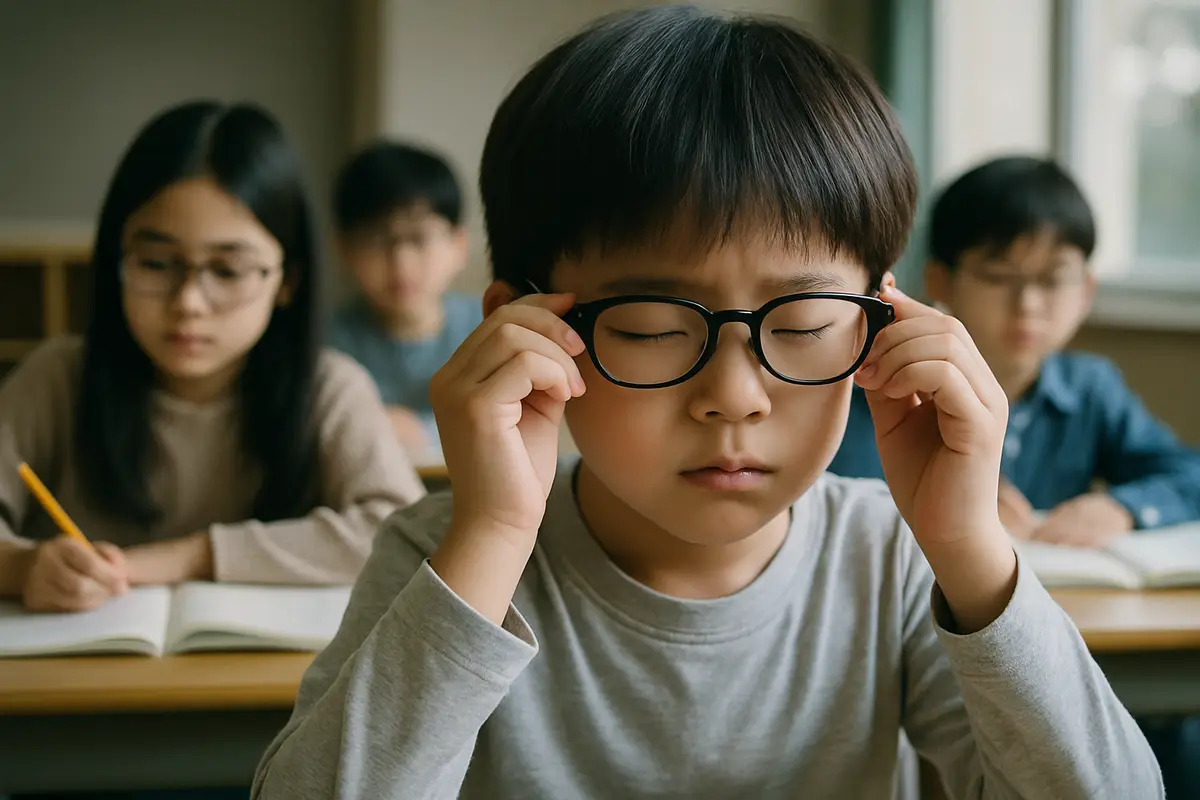
この画像はAIで生成され、学習目的で使用されています。
This image is AI-generated and used for educational purposes.
文部科学省の調べで、目が悪い子どもが増えていることがわかりました2。視力が1.0より低い小学生は4割近くいます3。中学生では約6割です4。
医者によると、スマートフォンやゲームの画面を近くで長い時間見ることが、原因の一つです5。外で遊ぶ時間が短くなったことも関係があると考えられています6。
専門家は、30分ぐらい画面を見たら、少し休んで遠くを見るように言っています7。また、1日に2時間ぐらい外で過ごすことも、目のためにいいそうです8。
Discussion
to rate or comment.
No comments yet.