日本は今、秋です2。山の木の葉が、赤や黄色になり始めました3。これを「紅葉」と言います4。毎年、多くの人がこの季節を楽しみにしています5。
北海道の山では、もう葉がとてもきれいです6。東京や大阪では、十一月ごろがいちばんきれいです7。テレビやインターネットで、毎日、紅葉の情報が出ています8。どこの山がきれいか、すぐにわかります9。
週末は、たくさんの人が山や公園へ行きます10。写真を撮る人も多いです11。天気のいい日は、道や電車がとても込みます12。朝早く出かける人もいます13。
(こうよう)
autumn leaves, fall colors
(きせつ)
Season
(はじまる)
to begin
(にほん)
Japan
(いま)
now
(あき)
autumn; fall
(やま)
mountain
(き)
tree / wood
(は)
leaf
(あか)
red
(きいろ)
yellow
(いう)
to say
(まいとし)
every year
(おおい)
many
(ひと)
person / people
(たのしみ)
pleasure, looking forward to
(ほっかいどう)
Hokkaido
(もう)
already; again
(とても)
very; extremely
(きれい)
pretty, clean
(とうきょう)
Tokyo
(おおさか)
Osaka
(じゅういちがつ)
November
(いちばん)
most; number one
(まいにち)
every day
(じょうほう)
information
(でる)
to come out; to occur
(しゅうまつ)
weekend
(たくさん)
a lot / many
(こうえん)
park
(いく)
to go
(しゃしん)
photograph
(とる)
to take (a photo)
(てんき)
weather
(いい)
good
(ひ)
day
(みち)
road, street, path
(でんしゃ)
electric train
(こむ)
to be crowded
(あさ)
morning
(はやい)
early / fast
(でかける)
to go out
polite copula / is, am, are
Describes states such as the mother panda being healthy and the baby being small.
これは本です。
This is a book.
今日は寒いです。
It is cold today.
and (non-exhaustive list)
や lists representative examples — Shikoku and Kyushu among other regions (四国や九州).
りんごやみかんを買った。
I bought apples and oranges (among others).
東京や大阪は大きい都市だ。
Tokyo and Osaka are big cities.
to become
Expresses a change of state; Kawai became the new commissioner of the Sports Agency.
新しい長官になりました。
He became the new commissioner.
目が見えなくなりました。
He became unable to see.
start doing ~
Compound verb form expressing the start of an action; sending scallops has started.
ホタテを送り始めました。
They have started sending scallops.
雨が降り始めた。
The rain started falling.
to say that ...
Quotation pattern. と marks the quoted content, followed by 言う (to say). Used for both direct and indirect speech.
先生は明日休みだと言いました。
The teacher said tomorrow is a day off.
母は早く帰ってきてと言った。
My mother said to come home early.
彼はもう行かないと言っています。
He says he won't go anymore.
polite non-past tense
The polite non-past ~ます states what will happen — the funeral will continue.
葬式は続きます。
The funeral will continue.
明日行きます。
I will go tomorrow.
is doing, has been doing (ongoing state/action)
Expresses a continuing action or resulting state. Formed with て-form + いる. Can describe an action in progress or a state resulting from a past change.
今、ご飯を食べています。
I am eating rice now.
東京に住んでいます。
I live in Tokyo.
ドアが開いています。
The door is open.
to / toward (direction/target)
津波への警戒 uses へ to mark the target of the alert (vigilance toward the tsunami).
津波への警戒が呼びかけられました
Vigilance against the tsunami was called for.
未来への希望
Hope for the future.
also / too
Used in '心配する人もいます' — there are ALSO people who are worried (in addition to happy people).
私も行きます。
I will go too.
彼も学生です。
He is also a student.
there are also (people who...)
Indicates that some people also do/feel something; there are also people who worry (心配する人もいます) and teachers who say so (言う先生もいます).
心配する人もいます。
There are also people who worry.
そう言う先生もいます。
There are also teachers who say so.
紅葉の季節が始まる
The autumn leaves season begins
日本は今、秋です。
It is now autumn in Japan.
山の木の葉が、赤や黄色になり始めました。
The leaves on the mountain trees have started to turn red and yellow.
これを「紅葉」と言います。
This is called "kōyō" (autumn leaves).
毎年、多くの人がこの季節を楽しみにしています。
Every year, many people look forward to this season.
北海道の山では、もう葉がとてもきれいです。
In the mountains of Hokkaido, the leaves are already very beautiful.
東京や大阪では、十一月ごろがいちばんきれいです。
In Tokyo and Osaka, they are most beautiful around November.
テレビやインターネットで、毎日、紅葉の情報が出ています。
Information about the autumn leaves comes out every day on TV and the internet.
どこの山がきれいか、すぐにわかります。
You can quickly find out which mountains are beautiful.
週末は、たくさんの人が山や公園へ行きます。
On weekends, many people go to the mountains and parks.
写真を撮る人も多いです。
Many people also take photos.
天気のいい日は、道や電車がとても込みます。
On days with good weather, the roads and trains get very crowded.
朝早く出かける人もいます。
Some people also set out early in the morning.
2026年09月26日 19:12
著者: jpreader
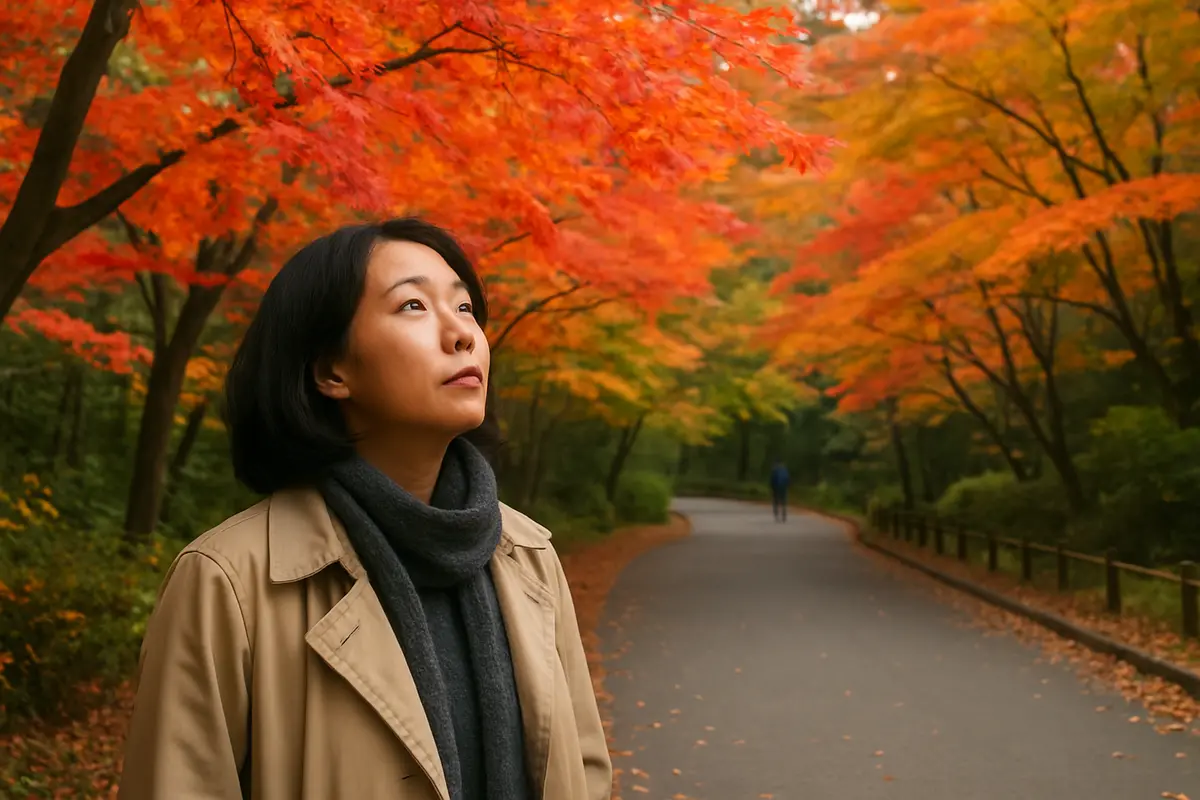
この画像はAIで生成され、学習目的で使用されています。
This image is AI-generated and used for educational purposes.
日本は今、秋です2。山の木の葉が、赤や黄色になり始めました3。これを「紅葉」と言います4。毎年、多くの人がこの季節を楽しみにしています5。
北海道の山では、もう葉がとてもきれいです6。東京や大阪では、十一月ごろがいちばんきれいです7。テレビやインターネットで、毎日、紅葉の情報が出ています8。どこの山がきれいか、すぐにわかります9。
週末は、たくさんの人が山や公園へ行きます10。写真を撮る人も多いです11。天気のいい日は、道や電車がとても込みます12。朝早く出かける人もいます13。
Discussion
to rate or comment.
No comments yet.