日本では、現金を使わないで買い物をする人が増えています2。カードやスマホで払う「キャッシュレス」の支払いです3。国の調べでは、去年の買い物の約4割がキャッシュレスだったそうです4。
小さな店や駅の自動販売機でも、スマホで払えるようになりました5。財布を持たないで出かける若い人も多くなっています6。店にとっても、お金を数える時間が少なくなって便利です7。
しかし、お年寄りの中には、使い方がわからなくて困っている人もいます8。町によっては、スマホの使い方を教える教室を開いているところもあります9。
(げんきん)
cash
(つかう)
to use
(しはらい)
payment
(ひろがる)
to spread
(にほん)
Japan
(かいもの)
shopping
(ひと)
person / people
(ふえる)
to increase; to grow
(すまほ)
smartphone
(はらう)
to pay
(きゃっしゅれす)
cashless
(くに)
country; the government
(しらべ)
investigation; survey
(きょねん)
last year
(やく)
approximately, about
(わり)
ten percent, proportion
(ちいさな)
small / little
(みせ)
shop, store
(えき)
station
(じどうはんばいき)
vending machine
(さいふ)
wallet, purse
(もつ)
to have; to hold
(でかける)
to go out
(わかい)
young
(おおい)
many
(おかね)
money
(かぞえる)
to count
(じかん)
time
(すくない)
few, scarce
(べんり)
convenient
(しかし)
however, but
(おとしより)
elderly person
(なか)
inside
(つかいかた)
how to use; usage
(こまる)
to be troubled; to be in difficulty
(まち)
town
(おしえる)
to teach
(きょうしつ)
classroom; class, workshop
(ひらく)
to open, to hold (event)
negative form: does not ~, will not ~
The plain negative 出ない in the headline and the polite negative 出ません in the article both say that Ohtani will not appear in the game.
オールスターゲームに出ない。
He will not play in the All-Star Game.
今年は出ません。
He will not take part this year.
without doing; don't do
Negative te-form used to indicate doing something without another action, or as a soft command.
朝ご飯を食べないで学校に行きました。
I went to school without eating breakfast.
心配しないでください。
Please don't worry.
to do (something)
Used with 試合をしました to mean 'played a match'. する turns a noun into a verb.
勉強をする
to study
仕事をする
to work
is doing, has been doing (ongoing state/action)
Expresses a continuing action or resulting state. Formed with て-form + いる. Can describe an action in progress or a state resulting from a past change.
今、ご飯を食べています。
I am eating rice now.
東京に住んでいます。
I live in Tokyo.
ドアが開いています。
The door is open.
I hear that / it is said
Reports hearsay. 大きく育つそうです means '(I hear) they grow big'.
雨が降るそうだ
I hear it will rain
おいしいそうだ
they say it's delicious
and (non-exhaustive list)
や lists representative examples — Shikoku and Kyushu among other regions (四国や九州).
りんごやみかんを買った。
I bought apples and oranges (among others).
東京や大阪は大きい都市だ。
Tokyo and Osaka are big cities.
come to / reach the point where
Indicates a change in state or ability.
運転できるようになった。
Trains became able to run.
日本語が話せるようになりました。
I became able to speak Japanese.
to become (い-adjective)
Expresses a change of state for い-adjectives. Drop the final い and add くなる. Indicates something has changed or will change to a new state.
寒くなりました。
It has gotten cold.
日本語が上手になりました。
My Japanese has gotten better.
値段が高くなりました。
The price became expensive.
for ~ / from the perspective of ~
Indicates a point of view or perspective. Used twice here for 'the company' and 'the Vietnamese people'.
私にとって家族は大切です。
Family is important to me.
子供にとって勉強は難しい。
Study is difficult for children.
Because there is no ~; without ~
Negative te-form connecting clauses. Expresses a reason or cause in its negative form, often indicating lack or absence.
時間がなくて、行けなかった。
I couldn't go because I had no time.
there are also (people who...)
Indicates that some people also do/feel something; there are also people who worry (心配する人もいます) and teachers who say so (言う先生もいます).
心配する人もいます。
There are also people who worry.
そう言う先生もいます。
There are also teachers who say so.
depending on ~
Signals that the outcome varies with circumstances. 状況によっては means depending on the situation.
状況によっては資格を取り消せます。
Depending on the situation, the status can be revoked.
人によっては意見が違います。
Opinions differ depending on the person.
there are as many as ~
Emphasizes a large quantity. 'There are as many as 140 kinds'.
学生は100人もいます。
There are as many as 100 students.
10時間もかかった。
It took as much as 10 hours.
現金を使わない支払いが広がる
Payments without cash are spreading
日本では、現金を使わないで買い物をする人が増えています。
In Japan, more and more people are shopping without using cash.
カードやスマホで払う「キャッシュレス」の支払いです。
This is "cashless" payment, where you pay with a card or smartphone.
国の調べでは、去年の買い物の約4割がキャッシュレスだったそうです。
According to a government survey, about 40 percent of purchases last year were reportedly cashless.
小さな店や駅の自動販売機でも、スマホで払えるようになりました。
Even at small shops and station vending machines, you can now pay with a smartphone.
財布を持たないで出かける若い人も多くなっています。
More young people are also going out without carrying a wallet.
店にとっても、お金を数える時間が少なくなって便利です。
For shops too, it is convenient because they spend less time counting money.
しかし、お年寄りの中には、使い方がわからなくて困っている人もいます。
However, some elderly people are having trouble because they don't know how to use it.
町によっては、スマホの使い方を教える教室を開いているところもあります。
Some towns also hold classes that teach how to use smartphones.
2026年09月26日 19:12
著者: jpreader
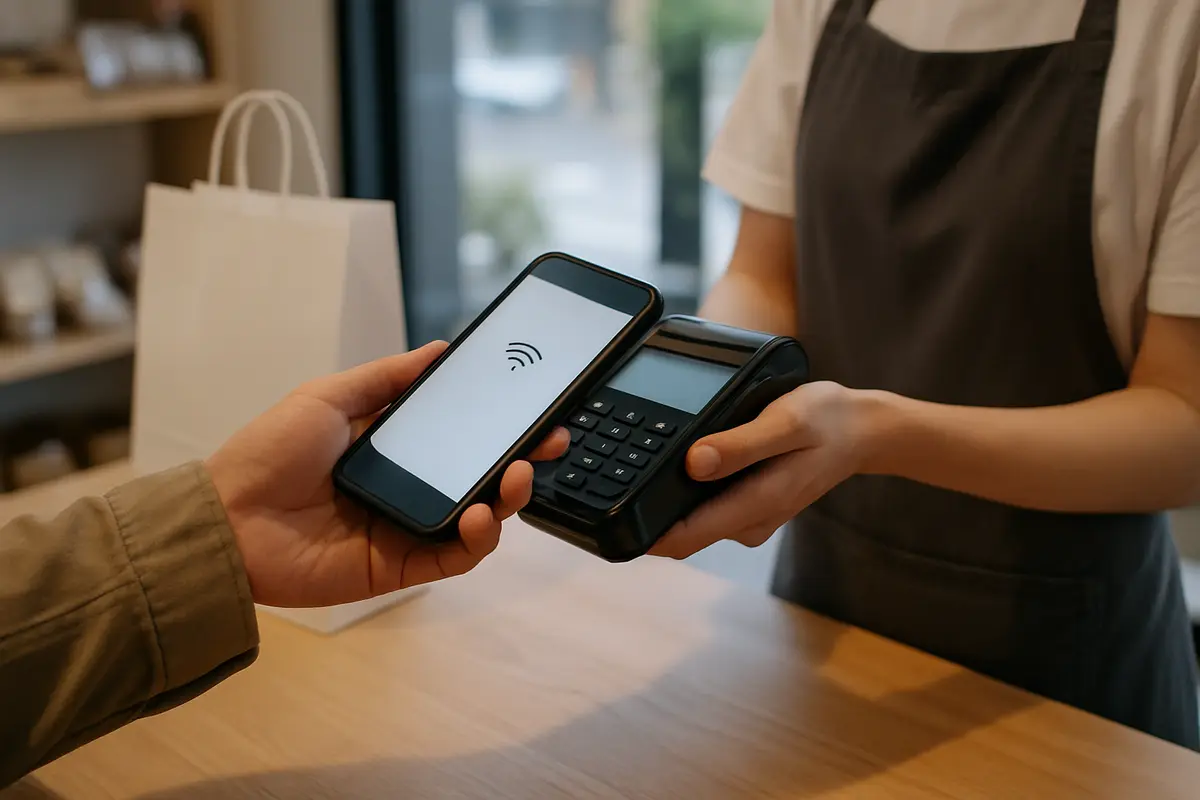
この画像はAIで生成され、学習目的で使用されています。
This image is AI-generated and used for educational purposes.
日本では、現金を使わないで買い物をする人が増えています2。カードやスマホで払う「キャッシュレス」の支払いです3。国の調べでは、去年の買い物の約4割がキャッシュレスだったそうです4。
小さな店や駅の自動販売機でも、スマホで払えるようになりました5。財布を持たないで出かける若い人も多くなっています6。店にとっても、お金を数える時間が少なくなって便利です7。
しかし、お年寄りの中には、使い方がわからなくて困っている人もいます8。町によっては、スマホの使い方を教える教室を開いているところもあります9。
Discussion
to rate or comment.
No comments yet.