空き家あきや
N2

(あきや)

empty house, vacant house

全国ぜんこく
N3

(ぜんこく)

nationwide; the whole country

増えるふえる
N3

(ふえる)

to increase; to grow

日本にほん
N5

(にほん)

Japan

住むすむ
N5

(すむ)

to live; to reside

家いえ
N5

(いえ)

house

国くに
N5

(くに)

country; the government

調べしらべ
N3

(しらべ)

investigation; survey

約やく
N3

(やく)

approximately, about

軒けん
N2

(けん)

counter for houses

ぐらいぐらい
N5

(ぐらい)

about, approximately

理由りゆう
N3

(りゆう)

reason; cause

一つひとつ
N5

(ひとつ)

one (thing)

人口じんこう
N3

(じんこう)

population

少ないすくない
N5

(すくない)

few, scarce

親おや
N4

(おや)

parent

亡くなるなくなる
N3

(なくなる)

to pass away; to die (polite)

後あと
N5

(あと)

after

子どもこども
N5

(こども)

child

遠くとおく
N4

(とおく)

far away / distance

町まち
N5

(まち)

town

使うつかう
N5

(つかう)

to use

古いふるい
N5

(ふるい)

old (things)

壊すこわす
N3

(こわす)

to break, destroy

お金おかね
N5

(おかね)

money

そのままそのまま
N3

(そのまま)

as it is, unchanged

人ひと
N5

(ひと)

person / people

多いおおい
N5

(おおい)

many

安全あんぜん
N4

(あんぜん)

safety

問題もんだい
N5

(もんだい)

problem

出るでる
N5

(でる)

to come out; to occur

建物たてもの
N4

(たてもの)

building

壊れるこわれる
N4

(こわれる)

To break; to be destroyed

ごみごみ
N4

(ごみ)

trash, garbage

捨てるすてる
N4

(すてる)

to throw away; to discard

安いやすい
N5

(やすい)

cheap / inexpensive

売るうる
N5

(うる)

to sell

店みせ
N5

(みせ)

shop, store

カフェかふぇ
N4

(かふぇ)

cafe

変えるかえる
N4

(かえる)

to change

だれも~ない
N5

nobody / no one does ~

だれも with a negative verb means 'nobody'. In this article it describes houses where 住んでいない — nobody is living there.

教室にはだれもいません。

There is nobody in the classroom.

だれもこの本を読みませんでした。

Nobody read this book.

~ていない
N5

has not ~ / is not ~ing

Negative te-iru form expressing that an action has not taken place or a state doesn't exist. Rain has not fallen.

まだ食べていません。

I haven't eaten yet.

宿題をしていない。

I haven't done my homework.

~ている
N5

is doing, has been doing (ongoing state/action)

Expresses a continuing action or resulting state. Formed with て-form + いる. Can describe an action in progress or a state resulting from a past change.

今、ご飯を食べています。

I am eating rice now.

東京に住んでいます。

I live in Tokyo.

ドアが開いています。

The door is open.

~と呼ばれる
N3

is called ~

Passive form of 呼ぶ (to call); used to state what someone/something is called.

日本で富士山と呼ばれる山。

The mountain called Mt. Fuji in Japan.

彼は天才と呼ばれています。

He is called a genius.

~くなる
N4

to become (い-adjective)

Expresses a change of state for い-adjectives. Drop the final い and add くなる. Indicates something has changed or will change to a new state.

寒くなりました。

It has gotten cold.

日本語が上手になりました。

My Japanese has gotten better.

値段が高くなりました。

The price became expensive.

~こともある
N3

there are cases/times when ~

Describes a possibility or occasional occurrence.

遅れることもある。

Sometimes I'm late.

雨が降ることもあります。

It sometimes rains.

~と(条件)
N4

if / when (natural consequence)

Conditional と indicating a natural or expected result. 一緒に捨てると…火が出て means 'if you throw them away together, fire starts.'

ボタンを押すと、ドアが開きます。

When you press the button, the door opens.

春になると、桜が咲きます。

When spring comes, cherry blossoms bloom.

~たり~たりする
N4

doing things like ~ and ~

Lists representative actions among several. Implies there are other actions too. Used twice in this article.

週末は本を読んだり映画を見たりします。

On weekends I do things like read books and watch movies.

歌ったり踊ったりして楽しんだ。

We had fun singing and dancing.

~ことがある
N4

there are times when ~

Indicates that something sometimes happens.

遅れることがある。

Sometimes I'm late.

間違えることがある。

There are times I make mistakes.

~てくる
N4

come toward (action approaching)

Indicates motion toward the speaker or a location. Here it describes rocks flying toward people.

鳥が飛んできた。

A bird flew toward (us).

雨が降ってきた。

It started raining.

1

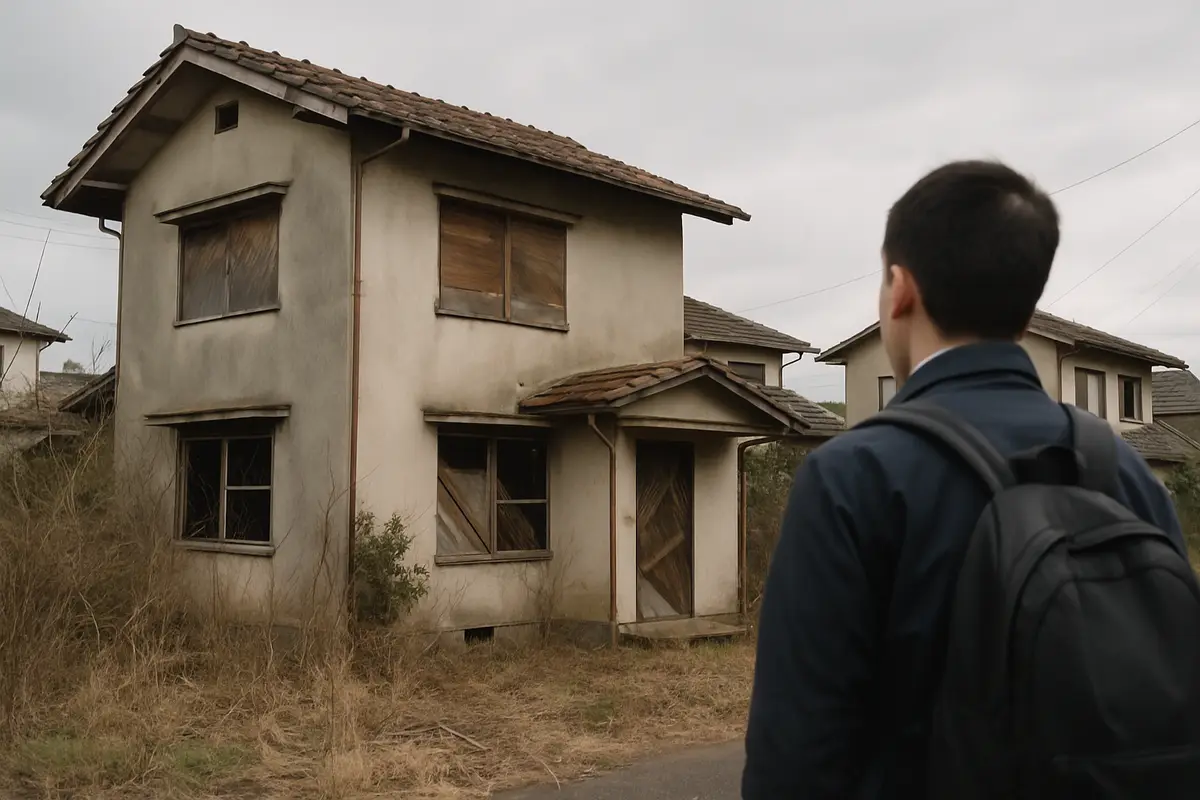
空き家が全国で増えている

Vacant houses are increasing across the country

2

日本では、だれも住んでいない家が増えています。

In Japan, the number of houses where nobody lives is increasing.

3

このような家は「空き家」と呼ばれます。

Houses like these are called "akiya" (vacant houses).

4

国の調べでは、空き家は全国で約900万軒あり、家の7軒に1軒ぐらいになりました。

According to a government survey, there are about 9 million vacant houses nationwide, roughly one in every seven homes.

5

空き家が増える理由の一つは、人口が少なくなっていることです。

One reason vacant houses are increasing is that the population is shrinking.

6

親が亡くなった後、子どもが遠くの町に住んでいて、家を使わないこともあります。

After parents pass away, their children sometimes live in a distant town and do not use the house.

7

古い家を壊すにはお金がかかるので、そのままにする人も多いです。

Because it costs money to tear down an old house, many people just leave it as it is.

8

空き家が多くなると、町の安全に問題が出ます。

When there are many vacant houses, problems arise for the town's safety.

9

建物が古くなって壊れたり、ごみが捨てられたりすることがあります。

Buildings can get old and fall apart, and trash can be dumped there.

10

そのため、空き家を安く売ったり、店やカフェに変えたりする町も出てきました。

For this reason, some towns have started selling vacant houses cheaply or turning them into shops and cafes.

空あき家やが全国ぜんこくで増ふえている1

2026年09月29日 19:09

著者: jpreader

空き家が全国で増えている

この画像はAIで生成され、学習目的で使用されています。

This image is AI-generated and used for educational purposes.

日本にほんでは、だれも住すんでいない家いえが増ふえています2。このような家いえは「空あき家や」と呼よばれます3。国くにの調しらべでは、空あき家やは全国ぜんこくで約やく900万軒まんけんあり、家いえの7軒けんに1軒けんぐらいになりました4。

空あき家やが増ふえる理由りゆうの一ひとつは、人口じんこうが少すくなくなっていることです5。親おやが亡なくなった後あと、子こどもが遠とおくの町まちに住すんでいて、家いえを使つかわないこともあります6。古ふるい家いえを壊こわすにはお金かねがかかるので、そのままにする人ひとも多おおいです7。

空あき家やが多おおくなると、町まちの安全あんぜんに問題もんだいが出でます8。建物たてものが古ふるくなって壊こわれたり、ごみが捨すてられたりすることがあります9。そのため、空あき家やを安やすく売うったり、店みせやカフェに変かえたりする町まちも出でてきました10。

Discussion

00

to rate or comment.

No comments yet.