車の運転をやめて、運転免許を警察に返す高齢者が増えています2。年を取ると、目や体の調子が悪くなって、事故を起こす心配があるからです3。
免許を返した人は、買い物や病院に行くのが不便になることがあります4。特に、電車やバスが少ない地方では、車がないと生活が大変です5。
そのため、免許を返した人に、バスやタクシーの料金を安くする町が増えています6。家族と話し合って、いつ運転をやめるか考えることが大切だと言われています7。
(うんてんめんきょ)
driver's license
(かえす)
to return (something); to give back
(こうれいしゃ)
elderly person
(ふえる)
to increase; to grow
(くるま)
car
(うんてん)
operation, driving
(やめる)
to stop; to quit
(けいさつ)
police
(とし)
year
(とる)
to take
(め)
eye
(からだ)
body
(ちょうし)
condition, state
(わるい)
bad
(じこ)
accident; incident
(おこす)
To cause; to bring about
(しんぱい)
worry / concern
(めんきょ)
license
(ひと)
person / people
(かいもの)
shopping
(びょういん)
hospital
(いく)
to go
(ふべん)
inconvenient
(とくに)
especially / particularly
(でんしゃ)
electric train
(ばす)
bus
(すくない)
few, scarce
(ちほう)
region; area
(せいかつ)
daily life; livelihood
(たいへん)
tough, serious
(そのため)
therefore; for that reason
(たくしー)
taxi
(りょうきん)
fee, charge
(やすい)
cheap / inexpensive
(まち)
town
(かぞく)
family
(はなしあう)
to discuss
(いつ)
when
(かんがえる)
to think; to consider
(たいせつ)
important
(いう)
to say
is doing, has been doing (ongoing state/action)
Expresses a continuing action or resulting state. Formed with て-form + いる. Can describe an action in progress or a state resulting from a past change.
今、ご飯を食べています。
I am eating rice now.
東京に住んでいます。
I live in Tokyo.
ドアが開いています。
The door is open.
if / when (natural consequence)
Conditional と indicating a natural or expected result. 一緒に捨てると…火が出て means 'if you throw them away together, fire starts.'
ボタンを押すと、ドアが開きます。
When you press the button, the door opens.
春になると、桜が咲きます。
When spring comes, cherry blossoms bloom.
to become (い-adjective)
Expresses a change of state for い-adjectives. Drop the final い and add くなる. Indicates something has changed or will change to a new state.
寒くなりました。
It has gotten cold.
日本語が上手になりました。
My Japanese has gotten better.
値段が高くなりました。
The price became expensive.
it is because ~
Gives a reason at the end of a sentence. Used here to explain why gasoline prices dropped (government subsidies).
疲れた。たくさん歩いたからです。
I'm tired. It's because I walked a lot.
寒いからです。
It's because it's cold.
the one who / the thing that ~ (nominalizing の)
の stands in for an unnamed person or thing. 引き継ぐのが、大岩剛さんです means 'the one who takes over is Go Oiwa'.
来るのが友だちです。
The one coming is my friend.
私が作ったのがこれです。
This is the one I made.
there are times when ~
Indicates that something sometimes happens.
遅れることがある。
Sometimes I'm late.
間違えることがある。
There are times I make mistakes.
To make ~ (adjective)
い-adjective stem + くする means 'to make something (adjective).' 安くする means 'to make cheaper.'
部屋を明るくしました。
I made the room brighter.
it is important that ~
Used to express importance of an action. Here cooperation between Japan and China is described as important.
毎日運動することが大切です。
It's important to exercise daily.
相手を理解することが大切だ。
It's important to understand the other person.
it is said that ~
Passive form expressing common knowledge or reputation. It is said that aquaculture of nodoguro is difficult.
難しいと言われています。
It is said to be difficult.
日本語は難しいと言われています。
It is said that Japanese is difficult.
運転免許を返す高齢者が増える
More elderly people are giving up their driver's licenses
車の運転をやめて、運転免許を警察に返す高齢者が増えています。
More and more elderly people are giving up driving and returning their driver's licenses to the police.
年を取ると、目や体の調子が悪くなって、事故を起こす心配があるからです。
This is because as people get older, their eyesight and physical condition get worse, and there is a worry that they will cause an accident.
免許を返した人は、買い物や病院に行くのが不便になることがあります。
People who have returned their licenses sometimes find it inconvenient to go shopping or to the hospital.
特に、電車やバスが少ない地方では、車がないと生活が大変です。
Especially in rural areas with few trains and buses, life is hard without a car.
そのため、免許を返した人に、バスやタクシーの料金を安くする町が増えています。
For that reason, more towns are lowering bus and taxi fares for people who have returned their licenses.
家族と話し合って、いつ運転をやめるか考えることが大切だと言われています。
It is said to be important to talk with your family and think about when to stop driving.
2026年10月02日 19:08
著者: jpreader
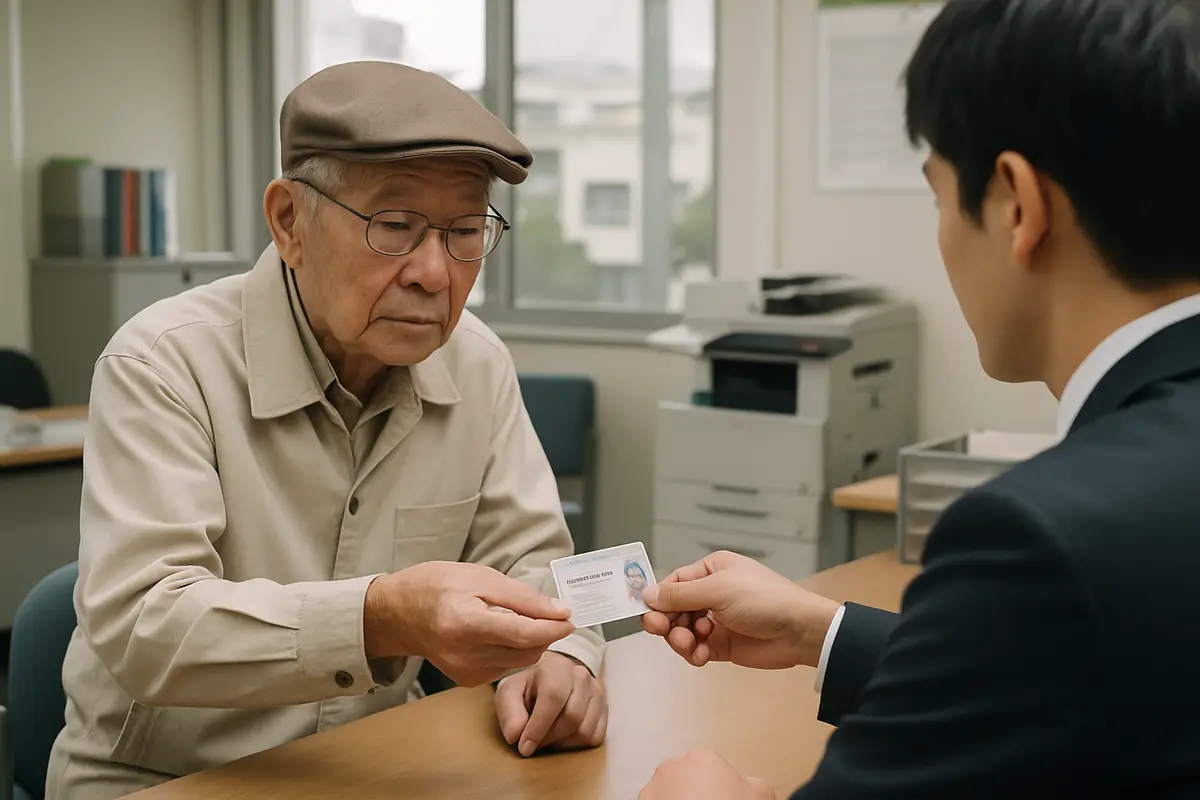
この画像はAIで生成され、学習目的で使用されています。
This image is AI-generated and used for educational purposes.
車の運転をやめて、運転免許を警察に返す高齢者が増えています2。年を取ると、目や体の調子が悪くなって、事故を起こす心配があるからです3。
免許を返した人は、買い物や病院に行くのが不便になることがあります4。特に、電車やバスが少ない地方では、車がないと生活が大変です5。
そのため、免許を返した人に、バスやタクシーの料金を安くする町が増えています6。家族と話し合って、いつ運転をやめるか考えることが大切だと言われています7。
Discussion
to rate or comment.
No comments yet.