秋になると、山の近くの町でクマが見つかることが増えています2。クマは冬の前にたくさん食べる必要があります3。山にどんぐりなどの食べ物が少ない年は、食べ物を探して人が住んでいる場所まで来ることがあります4。
東北地方などでは、畑や家の近くでクマに会って、けがをした人もいます5。市や町は、防災無線やメールで住民に情報を知らせています6。
専門家は、山に入るときは鈴やラジオなど音が出るものを持つように呼びかけています7。また、家の外に生ごみや果物を置いたままにしないことも大切だと話しています8。
(くま)
bear
(まち)
town
(でる)
to come out; to occur
(あき)
autumn; fall
(とくに)
especially / particularly
(ちゅうい)
caution, warning
(ひつよう)
necessary / needed
(やま)
mountain
(ちかく)
nearby
(みつかる)
to be found
(ふえる)
to increase; to grow
(ふゆ)
winter
(たくさん)
a lot / many
(たべる)
to eat
(どんぐり)
acorn
(など)
et cetera, and so on
(たべもの)
food
(すくない)
few, scarce
(とし)
year
(さがす)
to search for; to look for
(ひと)
person / people
(すむ)
to live; to reside
(ばしょ)
place
(くる)
to come
(とうほくちほう)
Tohoku region
(はたけ)
Farm field; cultivated field
(いえ)
house
(あう)
to meet
(けが)
injury
(し)
city
(ぼうさいむせん)
disaster prevention radio
(メール)
(じゅうみん)
resident
(じょうほう)
information
(しらせる)
to inform / notify
(せんもんか)
expert, specialist
(はいる)
to enter, be contained in
(すず)
bell
(らじお)
radio
(おと)
sound
(もの)
thing
(もつ)
to have; to hold
(よびかける)
to call out; to appeal
(また)
again
(そと)
outside
(なまごみ)
kitchen waste; food scraps
(くだもの)
fruit
(おく)
to place, put
(たいせつ)
important
come toward (action approaching)
Indicates motion toward the speaker or a location. Here it describes rocks flying toward people.
鳥が飛んできた。
A bird flew toward (us).
雨が降ってきた。
It started raining.
when it becomes / whenever
Shows a repeated condition followed by an action. 'When it becomes the 11th of each month', the mother delivers a bento.
春になると花が咲く。
When spring comes, flowers bloom.
夜になると眠くなる。
When night falls, I get sleepy.
nominalizer (the act of ~)
Turns verbs into nouns — changing one's awareness (意識を変えること), not over-buying (買いすぎないこと), and using leftovers well (使うこと).
走ることが好きだ。
I like running.
話すことが大切だ。
Talking is important.
is doing, has been doing (ongoing state/action)
Expresses a continuing action or resulting state. Formed with て-form + いる. Can describe an action in progress or a state resulting from a past change.
今、ご飯を食べています。
I am eating rice now.
東京に住んでいます。
I live in Tokyo.
ドアが開いています。
The door is open.
before ~
Indicates doing something before another action. Used to advise checking the store before ordering.
食べる前に手を洗います。
I wash my hands before eating.
寝る前に本を読む。
I read before sleeping.
until / as far as
Indicates an end point in space or time. Here it expresses how far the balls flew.
駅まで歩きます。
I walk to the station.
遠くまで飛びました。
It flew far away.
there are times when ~
Indicates that something sometimes happens.
遅れることがある。
Sometimes I'm late.
間違えることがある。
There are times I make mistakes.
~ and ~ (non-exhaustive list)
や connects nouns in a non-exhaustive list, implying there are other items not mentioned.
りんごやみかんを買いました。
I bought apples, oranges, and so on.
when ~
Indicates the time when something happened — when he was in junior high school.
中学生のとき病気になりました。
When I was a junior-high student I got sick.
子どものとき日本にいました。
I was in Japan when I was a child.
(urging) to do
Used in 準備をするよう呼びかけています — urging people to prepare for evacuation.
早く逃げるよう呼びかけた。
They urged people to evacuate quickly.
注意するよう言った。
They said to be careful.
in the state of ~
Describes starting an engine while water is still inside the car — without changing that state.
電気をつけたまま寝る。
Sleeping with the lights on.
靴をはいたまま入る。
Entering with shoes still on.
to say that ~ (quotation)
と話しています reports what a company representative said.
先生は明日テストがあると話しました。
The teacher said there will be a test tomorrow.
彼は楽しかったと話していました。
He said it was fun.
クマが町に出てくる 秋は特に注意が必要
Bears coming into towns: extra caution needed in autumn
秋になると、山の近くの町でクマが見つかることが増えています。
In autumn, bears are being found more and more often in towns near the mountains.
クマは冬の前にたくさん食べる必要があります。
Bears need to eat a lot before winter.
山にどんぐりなどの食べ物が少ない年は、食べ物を探して人が住んでいる場所まで来ることがあります。
In years when there is little food such as acorns in the mountains, bears sometimes come all the way to places where people live, looking for food.
東北地方などでは、畑や家の近くでクマに会って、けがをした人もいます。
In the Tohoku region and elsewhere, some people have been injured after running into bears near fields and homes.
市や町は、防災無線やメールで住民に情報を知らせています。
Cities and towns are informing residents through disaster-prevention radio and email.
専門家は、山に入るときは鈴やラジオなど音が出るものを持つように呼びかけています。
Experts are urging people to carry something that makes noise, such as a bell or a radio, when they go into the mountains.
また、家の外に生ごみや果物を置いたままにしないことも大切だと話しています。
They also say it is important not to leave food waste or fruit outside the house.
2026年10月19日 19:09
著者: jpreader
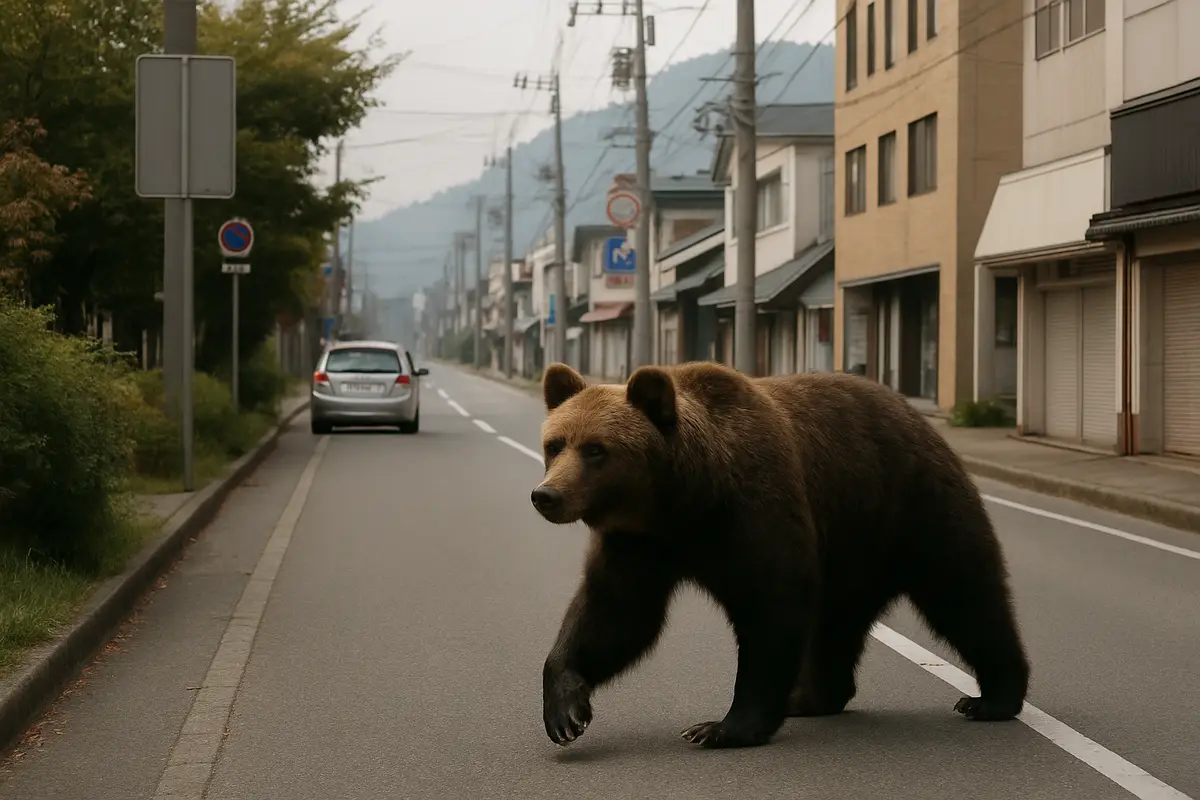
この画像はAIで生成され、学習目的で使用されています。
This image is AI-generated and used for educational purposes.
秋になると、山の近くの町でクマが見つかることが増えています2。クマは冬の前にたくさん食べる必要があります3。山にどんぐりなどの食べ物が少ない年は、食べ物を探して人が住んでいる場所まで来ることがあります4。
東北地方などでは、畑や家の近くでクマに会って、けがをした人もいます5。市や町は、防災無線やメールで住民に情報を知らせています6。
専門家は、山に入るときは鈴やラジオなど音が出るものを持つように呼びかけています7。また、家の外に生ごみや果物を置いたままにしないことも大切だと話しています8。
Discussion
to rate or comment.
No comments yet.