体操の世界大会がありました2。体操は、体をきれいに動かすスポーツです3。世界大会は、いろいろな国の選手が出る大きな大会です4。日本の男子チームは、とてもいい体操をしました5。そして、金メダルをとりました6。
選手たちは毎日、長い時間練習をしました7。大会の日、会場にはたくさんの人が来ました8。日本の選手が体操をすると、みんな大きな声で応援しました9。
日本では、たくさんの人がテレビでこの大会を見ました10。ニュースを見た人たちは、とても喜んでいます11。
(たいそう)
gymnastics
(せかいたいかい)
world championship / world tournament
(にほん)
Japan
(だんし)
male; men's
(ちーむ)
team
(きんメダル)
gold medal
(ある)
a certain (some)
(からだ)
body
(きれい)
pretty, clean
(うごかす)
to operate / move
(すぽーつ)
sport
(いろいろ)
various
(くに)
country; the government
(せんしゅ)
player; athlete
(でる)
to come out; to occur
(おおきな)
big (attrib.)
(たいかい)
tournament, convention
(とても)
very; extremely
(いい)
good
(そして)
and; and then
(とる)
to take (in)
(まいにち)
every day
(ながい)
long
(じかん)
time
(れんしゅう)
practice, training
(ひ)
day
(かいじょう)
venue / site
(たくさん)
a lot / many
(ひと)
person / people
(くる)
to come
(みんな)
Everyone; everybody
(こえ)
voice
(おうえん)
cheering; support
(てれび)
television, TV
(みる)
to see, watch
(にゅーす)
news
(よろこぶ)
to be delighted
polite past tense
「始まりました」「発表しました」のように、過去の出来事を丁寧体で述べています。
学校へ行きました。
I went to school.
本を読みました。
I read a book.
polite copula / is, am, are
Describes states such as the mother panda being healthy and the baby being small.
これは本です。
This is a book.
今日は寒いです。
It is cold today.
plural suffix (for people)
Pluralizing suffix attached to nouns referring to people.
子どもたち
children
私たち
we
in order to ~
Dictionary form + には indicates a condition required to achieve a goal. To deliver nengajō on Jan 1, you must mail by Dec 25.
駅に行くには、バスが便利です。
To get to the station, the bus is convenient.
上手になるには、練習が必要です。
To improve, practice is necessary.
if / when (natural consequence)
Conditional と indicating a natural or expected result. 一緒に捨てると…火が出て means 'if you throw them away together, fire starts.'
ボタンを押すと、ドアが開きます。
When you press the button, the door opens.
春になると、桜が咲きます。
When spring comes, cherry blossoms bloom.
in ~ / at ~ (topic marker for location/context)
Combination of で (location) and は (topic). Sets the context: in speed skating, in ski jumping, etc.
日本では桜が有名です。
In Japan, cherry blossoms are famous.
この店では魚を売っています。
This shop sells fish.
is doing, has been doing (ongoing state/action)
Expresses a continuing action or resulting state. Formed with て-form + いる/います. Can describe an action in progress or a state that continues from a past change.
今、本を読んでいます。
I am reading a book now.
窓が開いています。
The window is open.
日本に住んでいます。
I live in Japan.
体操の世界大会で日本の男子チームが金メダル
Japan's men's team wins gold at the gymnastics world championships
体操の世界大会がありました。
The gymnastics world championships took place.
体操は、体をきれいに動かすスポーツです。
Gymnastics is a sport in which you move your body beautifully.
世界大会は、いろいろな国の選手が出る大きな大会です。
The world championships are a big competition in which athletes from many countries take part.
日本の男子チームは、とてもいい体操をしました。
Japan's men's team performed very good gymnastics.
そして、金メダルをとりました。
And they won the gold medal.
選手たちは毎日、長い時間練習をしました。
The athletes practiced for long hours every day.
大会の日、会場にはたくさんの人が来ました。
On the day of the competition, many people came to the venue.
日本の選手が体操をすると、みんな大きな声で応援しました。
When the Japanese gymnasts performed, everyone cheered in loud voices.
日本では、たくさんの人がテレビでこの大会を見ました。
In Japan, many people watched this competition on TV.
ニュースを見た人たちは、とても喜んでいます。
The people who saw the news are very happy.
2026年10月22日 19:12
著者: jpreader
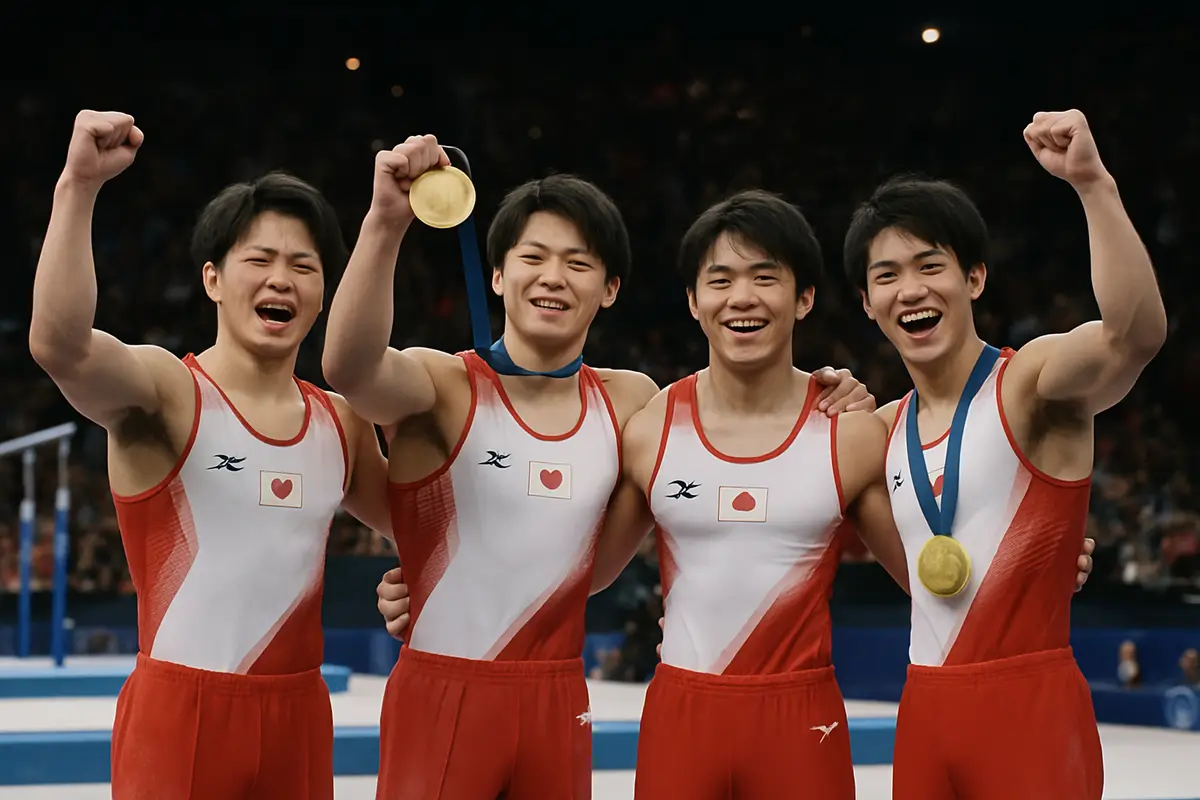
この画像はAIで生成され、学習目的で使用されています。
This image is AI-generated and used for educational purposes.
体操の世界大会がありました2。体操は、体をきれいに動かすスポーツです3。世界大会は、いろいろな国の選手が出る大きな大会です4。日本の男子チームは、とてもいい体操をしました5。そして、金メダルをとりました6。
選手たちは毎日、長い時間練習をしました7。大会の日、会場にはたくさんの人が来ました8。日本の選手が体操をすると、みんな大きな声で応援しました9。
日本では、たくさんの人がテレビでこの大会を見ました10。ニュースを見た人たちは、とても喜んでいます11。
Discussion
to rate or comment.
No comments yet.