食品ロスしょくひんろす
N1

(しょくひんろす)

food loss, food waste

減らすへらす
N3

(へらす)

to reduce; to decrease

取り組みとりくみ
N2

(とりくみ)

efforts, initiatives

広がるひろがる
N3

(ひろがる)

to spread

日本にほん
N5

(にほん)

Japan

まだまだ
N5

(まだ)

still; yet

食べるたべる
N5

(たべる)

to eat

捨てるすてる
N4

(すてる)

to throw away; to discard

食品しょくひん
N2

(しょくひん)

food products, foodstuffs

問題もんだい
N5

(もんだい)

problem

呼ぶよぶ
N4

(よぶ)

to call

年間ねんかん
N3

(ねんかん)

period of ~ years

数百万すうひゃくまん
N2

(すうひゃくまん)

several million

トンとん
N3

(とん)

ton (unit)

のぼるのぼる
N2

(のぼる)

to reach, to amount to

言ういう
N5

(いう)

to say

解決かいけつ
N3

(かいけつ)

solution, resolution

さまざまさまざま
N3

(さまざま)

various

進めるすすめる
N3

(すすめる)

to advance; to move forward

スーパーすーぱー
N5

(すーぱー)

supermarket

賞味期限しょうみきげん
N1

(しょうみきげん)

best-before date

近いちかい
N5

(ちかい)

near / close

商品しょうひん
N3

(しょうひん)

goods; merchandise; product

安いやすい
N5

(やすい)

cheap / inexpensive

売るうる
N5

(うる)

to sell

レストランれすとらん
N5

(れすとらん)

restaurant

きゃく
N4

(きゃく)

Customer; guest

残すのこす
N3

(のこす)

to leave behind, to leave uneaten

料理りょうり
N5

(りょうり)

cuisine, cooking

りょう
N3

(りょう)

Quantity; amount; volume

選ぶえらぶ
N4

(えらぶ)

To choose; to select

専門家せんもんか
N2

(せんもんか)

expert, specialist

一人一人ひとりひとり
N3

(ひとりひとり)

each person, one by one

意識いしき
N2

(いしき)

consciousness, awareness

変えるかえる
N4

(かえる)

to change

大切たいせつ
N5

(たいせつ)

important

話すはなす
N5

(はなす)

to speak, talk

買うかう
N5

(かう)

to buy

残るのこる
N3

(のこる)

to remain / to stay behind

上手じょうず
N5

(じょうず)

skillful, well

使うつかう
N5

(つかう)

to use

第一歩だいいっぽ
N2

(だいいっぽ)

first step

~のに
N4

even though / despite ~

Expresses contrast or unexpected result. Iran says they were attacked even though they are not at war.

勉強したのに、試験に落ちた。

Even though I studied, I failed the test.

雨なのに出かけた。

Even though it was raining, I went out.

~(ら)れる(可能)
N4

potential form (can do)

The potential form shows the food 'can be eaten' (食べられる) — it is still edible.

刺身は生で食べられる。

Sashimi can be eaten raw.

ここから富士山が見られる。

You can see Mt. Fuji from here.

~てしまう
N4

completely / finish ~ing (often regretful)

Expresses completion, often with regret or unexpectedness. Here the rice sold out quickly.

すぐに全部売れてしまった。

It all sold out right away.

忘れてしまった。

I forgot (unfortunately).

~と呼ばれる
N3

is called ~

Passive form of 呼ぶ (to call); used to state what someone/something is called.

日本で富士山と呼ばれる山。

The mountain called Mt. Fuji in Japan.

彼は天才と呼ばれています。

He is called a genius.

~と言われている
N3

it is said that ~

Passive form expressing common knowledge or reputation. It is said that aquaculture of nodoguro is difficult.

難しいと言われています。

It is said to be difficult.

日本語は難しいと言われています。

It is said that Japanese is difficult.

~ため(に)
N3

because of ~ / for the sake of ~

ため after a noun or plain form indicates reason or purpose. Used twice: once for 'because of bear worries' and once for 'for the children's safety'.

熊の心配があるため

because there is worry about bears

子どもたちの安全のために

for the sake of the children's safety

~ている
N5

is doing, has been doing (ongoing state/action)

Expresses a continuing action or resulting state. Formed with て-form + いる. Can describe an action in progress or a state resulting from a past change.

今、ご飯を食べています。

I am eating rice now.

東京に住んでいます。

I live in Tokyo.

ドアが開いています。

The door is open.

~ように
N4

so that ~

Indicates a goal or desired outcome. Here: so that trainees reach the Specified Skilled Worker level.

分かるように説明します。

I'll explain so you understand.

聞こえるように大きい声で話す。

Speak loudly so it can be heard.

~ようにする
N4

to make sure that, to ensure that

Expresses the goal of bringing about a certain state or preventing something. Formed with verb plain form + ようにする. Often used to describe efforts to ensure or prevent something.

毎日野菜を食べるようにしています。

I make sure to eat vegetables every day.

遅刻しないようにしてください。

Please make sure not to be late.

忘れないようにメモを書きました。

I wrote a note so I wouldn't forget.

~こと(名詞化)
N4

nominalizer (the act of ~)

Turns verbs into nouns — changing one's awareness (意識を変えること), not over-buying (買いすぎないこと), and using leftovers well (使うこと).

走ることが好きだ。

I like running.

話すことが大切だ。

Talking is important.

~すぎる
N4

too much / excessively ~

Indicates excess. Used to describe the government's methods being too harsh (厳しすぎる) and the military deployment being excessive (やりすぎ).

政府の厳しすぎるやり方に反対する人たち

People opposing the government's overly harsh methods

軍を出すのはやりすぎだ。

Deploying the military is going too far.

食品しょくひんロスらすひろがる

2026年05月24日 21:09

著者: jpreader

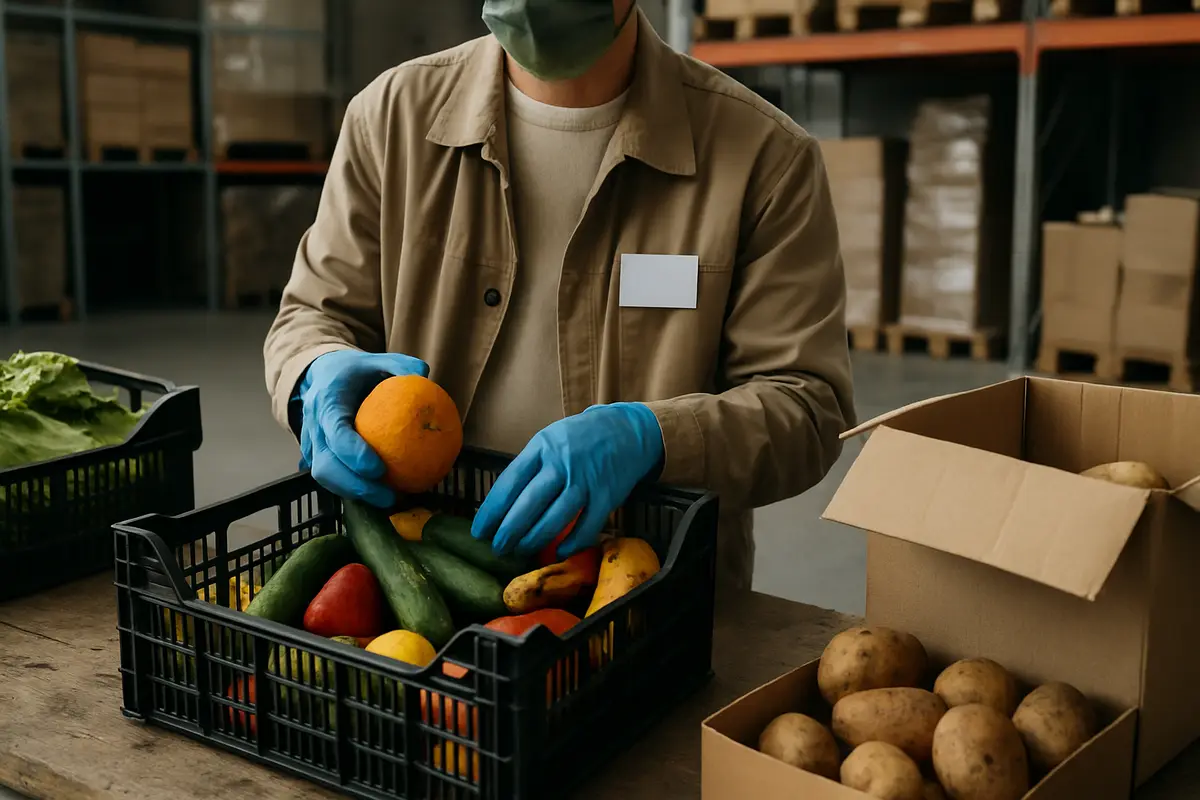
食品ロスを減らす取り組みが広がる

この画像はAIで生成され、学習目的で使用されています。

This image is AI-generated and used for educational purposes.

日本にほんでは、まだられるのにられてしまう食品しょくひん問題もんだいになっています。これは「食品しょくひんロス」とれ、年間ねんかん数百万すうひゃくまんトンのぼるています

この問題もんだい解決かいけつするためさまざますすられています。あるスーパーでは、賞味期限しょうみきげんちか商品しょうひんやすています。また、レストランでは、きゃくのこないように料理りょうりりょうえらべるようにしています

専門家せんもんかは「一人一人ひとりひとり意識いしきえること大切たいせつだ」とはなていますすぎないことや、のこ料理りょうり上手じょうず使つかことが、食品しょくひんロスらす第一歩だいいっぽになります。