日本の地方では、鉄道の利用者が年々減っている2。人口が少なくなり、車を使う人が増えたためだ3。利用者が少ない路線は、鉄道会社にとって大きな負担になっている4。
ある地域では、バスに変える計画が進んでいる5。しかし、地元の住民からは反対の声も上がっている6。電車がなくなると、学校に通う子どもや高齢者が困るからだ7。
国は、地方の交通をどう守るか話し合いを始めた8。鉄道を残す場合は、国や自治体がお金を出して支える方法も検討されている9。
(ちほう)
region; area
(ローカルせん)
local (railway) line
(まもる)
to protect
(どう)
how / in what way
(にほん)
Japan
(てつどう)
railway; railroad
(りようしゃ)
user
(ねんねん)
year by year / annually
(へる)
to decrease / to diminish
(じんこう)
population
(すくない)
few, scarce
(くるま)
car
(つかう)
to use
(ふえる)
to increase; to grow
(ろせん)
route / line
(てつどうがいしゃ)
railway company
(おおきな)
big (attrib.)
(ふたん)
burden, bear (cost)
(ちいき)
region; area
(バス)
bus
(かえる)
to change
(けいかく)
plan
(すすむ)
to advance, to progress
(じもと)
local / one's hometown
(じゅうみん)
resident
(はんたい)
opposition; against
(こえ)
voice
(あがる)
to rise / to go up
(でんしゃ)
electric train
(なくなる)
to disappear; to be gone
(かよう)
to commute / attend regularly
(がっこう)
school
(こども)
child
(こうれいしゃ)
elderly person
(こまる)
to be troubled; to be in difficulty
(くに)
country; the government
(こうつう)
traffic, transportation
(はなしあい)
discussion; negotiation
(はじめる)
to begin, start
(のこす)
to leave behind, to leave uneaten
(じちたい)
local government / municipality
(おかね)
money
(だす)
to serve, put out
(ささえる)
to support
(ほうほう)
method; way
(けんとう)
consideration / examination
is doing, has been doing (ongoing state/action)
Expresses a continuing action or resulting state. Formed with て-form + いる. Can describe an action in progress or a state resulting from a past change.
今、ご飯を食べています。
I am eating rice now.
東京に住んでいます。
I live in Tokyo.
ドアが開いています。
The door is open.
because of / due to (reason)
Indicates a reason or cause. The article explains that the decline is due to the population shrinking and more people using cars.
雨のため、試合は中止です。
Due to rain, the game is canceled.
車を使う人が増えたためだ。
It is because more people use cars.
for ~ / from the perspective of ~
Indicates a point of view or perspective. Used twice here for 'the company' and 'the Vietnamese people'.
私にとって家族は大切です。
Family is important to me.
子供にとって勉強は難しい。
Study is difficult for children.
when ..., if ... (natural consequence)
Conditional と indicating that when one thing happens, another naturally follows. States general truths, habitual results, or inevitable consequences.
春になると、桜が咲きます。
When spring comes, the cherry blossoms bloom.
このボタンを押すと、ドアが開きます。
If you press this button, the door opens.
because (reason)
States a reason. The article explains the reason residents oppose: because children and the elderly will be in trouble.
高齢者が困るからだ。
It is because the elderly will be in trouble.
忙しいから行けません。
I can't go because I'm busy.
in the case of / when
Indicates a hypothetical or potential situation. Used here to describe the case when airports become usable again.
雨の場合は中止します。
In case of rain, it will be cancelled.
遅れる場合は連絡してください。
Please contact me in case you are late.
passive voice
The passive form indicates an action done to the subject. The article says a method is being considered (検討されている).
新しい方法が検討されている。
A new method is being considered.
会議が開かれた。
The meeting was held.
地方のローカル線をどう守るか
How to protect rural local railway lines
日本の地方では、鉄道の利用者が年々減っている。
In rural areas of Japan, the number of railway users is decreasing year by year.
人口が少なくなり、車を使う人が増えたためだ。
This is because the population has shrunk and more people are using cars.
利用者が少ない路線は、鉄道会社にとって大きな負担になっている。
Lines with few users have become a heavy burden for railway companies.
ある地域では、バスに変える計画が進んでいる。
In one region, a plan to switch to buses is moving forward.
しかし、地元の住民からは反対の声も上がっている。
However, voices of opposition are also being raised by local residents.
電車がなくなると、学校に通う子どもや高齢者が困るからだ。
This is because if the trains disappear, children who commute to school and elderly people will be in trouble.
国は、地方の交通をどう守るか話し合いを始めた。
The national government has begun discussions on how to protect rural transportation.
鉄道を残す場合は、国や自治体がお金を出して支える方法も検討されている。
If the railways are kept, a method in which the national government and local governments provide funding to support them is also being considered.
2026年05月26日 11:43
著者: jpreader
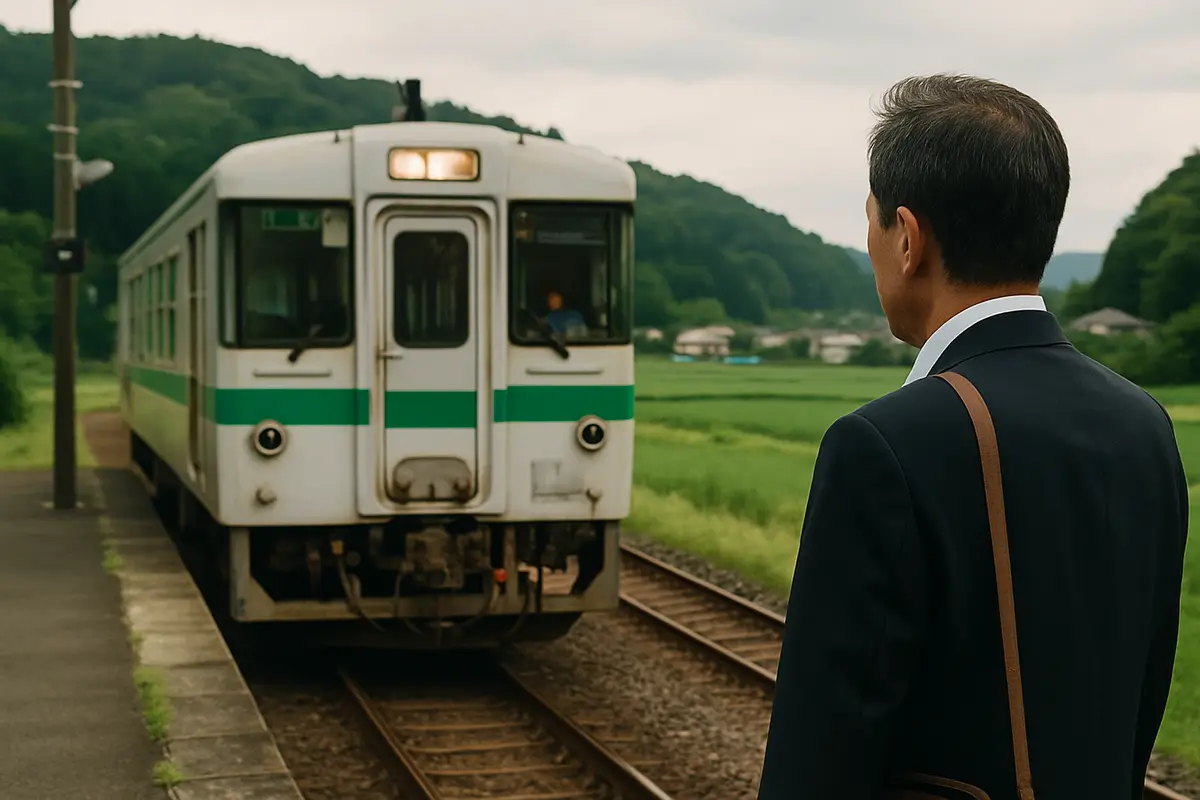
この画像はAIで生成され、学習目的で使用されています。
This image is AI-generated and used for educational purposes.
日本の地方では、鉄道の利用者が年々減っている2。人口が少なくなり、車を使う人が増えたためだ3。利用者が少ない路線は、鉄道会社にとって大きな負担になっている4。
ある地域では、バスに変える計画が進んでいる5。しかし、地元の住民からは反対の声も上がっている6。電車がなくなると、学校に通う子どもや高齢者が困るからだ7。
国は、地方の交通をどう守るか話し合いを始めた8。鉄道を残す場合は、国や自治体がお金を出して支える方法も検討されている9。
Discussion
to rate or comment.
No comments yet.