モバイルバッテリーもばいるばってりー
N1

(もばいるばってりー)

mobile battery

火事かじ
N4

(かじ)

fire (accident)

過去かこ
N3

(かこ)

the past

最多さいた
N2

(さいた)

the most; highest number

リチウムイオン電池りちうむいおんでんち
N1

(りちうむいおんでんち)

lithium-ion battery

原因げんいん
N3

(げんいん)

cause / reason

今年ことし
N5

(ことし)

this year

消防庁しょうぼうちょう
N1

(しょうぼうちょう)

Fire Department / Fire and Disaster Agency

調査ちょうさ
N2

(ちょうさ)

investigation; survey

件数けんすう
N2

(けんすう)

the number of cases

去年きょねん
N5

(きょねん)

last year

大きいおおきい
N5

(おおきい)

big; large

増えるふえる
N3

(ふえる)

to increase; to grow

電車でんしゃ
N5

(でんしゃ)

electric train

飛行機ひこうき
N5

(ひこうき)

airplane

なか
N5

(なか)

inside

けむり
N2

(けむり)

smoke

出るでる
N5

(でる)

to come out; to occur

事故じこ
N3

(じこ)

accident; incident

報告ほうこく
N3

(ほうこく)

report

主なおもな
N3

(おもな)

main; principal

使い方つかいかた
N4

(つかいかた)

how to use; usage

問題もんだい
N5

(もんだい)

problem

落とすおとす
N4

(おとす)

to drop

強いつよい
N4

(つよい)

strong

ぶつけるぶつける
N3

(ぶつける)

to hit; to bang

部品ぶひん
N2

(ぶひん)

part; component

壊れるこわれる
N4

(こわれる)

To break; to be destroyed

熱いあつい
N5

(あつい)

hot (to touch)

安全あんぜん
N4

(あんぜん)

safety

マークまーく
N3

(まーく)

mark, symbol

安いやすい
N5

(やすい)

cheap / inexpensive

製品せいひん
N3

(せいひん)

product

使うつかう
N5

(つかう)

to use

危険きけん
N3

(きけん)

danger; risk

場合ばあい
N4

(ばあい)

case; situation

専門家せんもんか
N2

(せんもんか)

expert, specialist

正しいただしい
N4

(ただしい)

correct; right; proper

守るまもる
N4

(まもる)

to protect

呼びかけるよびかける
N2

(よびかける)

to call out; to appeal

バッテリーばってりー
N3

(ばってりー)

battery

長いながい
N5

(ながい)

long

場所ばしょ
N4

(ばしょ)

place

置くおく
N5

(おく)

to place, put

異常いじょう
N2

(いじょう)

abnormality; something wrong

感じるかんじる
N3

(かんじる)

to feel, to sense

すぐにすぐに
N5

(すぐに)

immediately

やめるやめる
N5

(やめる)

to stop; to quit

大切たいせつ
N5

(たいせつ)

important

そしてそして
N5

(そして)

and; and then

またまた
N5

(また)

again

~が原因
N3

caused by / the cause is

電池が原因の火事 identifies lithium-ion batteries as the cause of the fires.

電池が原因の火事です。

It's a fire caused by a battery.

事故の原因を調べる。

Investigate the cause of the accident.

~によると
N3

according to ...

Cites a source of information. The noun before によると is the source. Often followed by a reported statement.

天気予報によると、明日は雨です。

According to the weather forecast, it will rain tomorrow.

ニュースによると、地震がありました。

According to the news, there was an earthquake.

先生によると、テストは来週です。

According to the teacher, the test is next week.

~ています (state)
N5

continuing state / result

増えています and 報告されています describe ongoing states: the number is increasing, and accidents are being reported.

件数が増えています。

The number is increasing.

事故が報告されています。

Accidents are being reported.

~たり~たり
N5

doing things like A and B

Lists example actions.

エアコンを使ったり水を飲んだり。

Using air conditioning, drinking water, etc.

読んだり書いたり。

Reading and writing.

~と (conditional)
N4

if/when ... (automatic result)

The conditional と indicates that when the first action happens, the second naturally or automatically follows. Often used for rules, natural consequences, and habitual results.

春になると、花が咲きます。

When spring comes, flowers bloom.

このボタンを押すと、ドアが開きます。

If you press this button, the door opens.

右に曲がると、駅があります。

If you turn right, there's a station.

~ように呼びかける
N3

to call on (someone) to ...

正しい使い方を守るように呼びかけています expresses that experts are urging people to follow correct usage.

守るように呼びかけています。

They are urging people to follow (the rules).

注意するように言いました。

They told us to be careful.

~ためには
N3

in order to ~

Expresses what is necessary in order to sell cars in America.

アメリカで車を売るためには、新しいアイデアが必要です。

In order to sell cars in America, new ideas are necessary.

~たら
N4

if ..., when ...

Conditional form indicating 'if' or 'when' something happens. Formed by adding ら to the た-form of a verb. Expresses a hypothetical or temporal condition.

雨が降ったら、行きません。

If it rains, I won't go.

お金があったら、旅行したいです。

If I had money, I'd like to travel.

終わったら、電話してください。

When you're done, please call me.

~こと (nominalizer)
N4

nominalizer (the fact of ~)

Turns a verb phrase into a noun. Used here to refer to 'the fact of becoming yokozuna' which is being celebrated.

日本語を話すことができます。

I can speak Japanese.

本を読むことが好きです。

I like reading books.

モバイルバッテリー火事かじ 過去かこ最多さいた

2026年05月27日 19:24

著者: jpreader

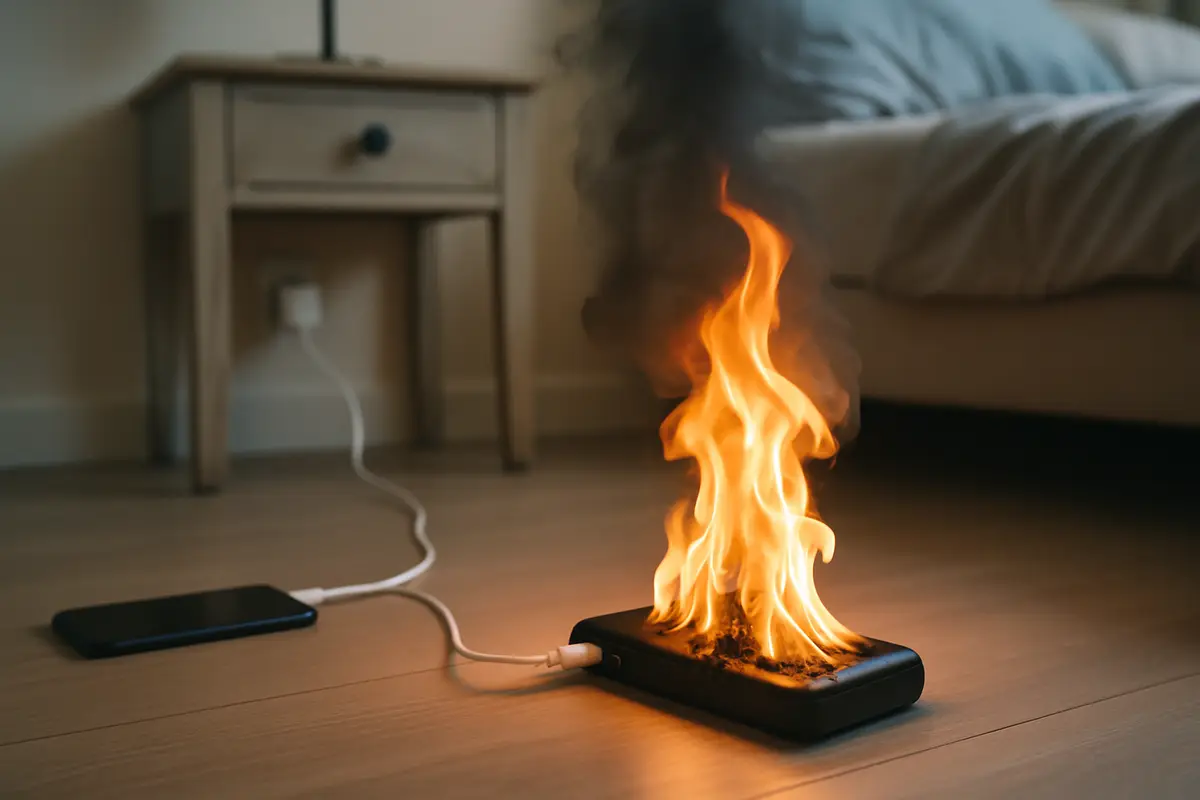
モバイルバッテリーの火事 過去最多に

この画像はAIで生成され、学習目的で使用されています。

This image is AI-generated and used for educational purposes.

モバイルバッテリーやリチウムイオン電池でんち原因げんいん火事かじが、今年ことし過去かこ最多さいたになりました。消防庁しょうぼうちょう調査ちょうさによると件数けんすう去年きょねんよりおおきくています。電車でんしゃ飛行機ひこうきなかけむり事故じこ報告ほうこくされています

火事かじおも原因げんいんは、使つかかた問題もんだいです。としたり、つよぶつけたりすると、なか部品ぶひんこわあつなります。また、安全あんぜんマークがないやす製品せいひん使つかと、危険きけん場合ばあいがあります。

専門家せんもんかは、ただしい使つかかたまもようにびかけています。バッテリーなが使つかためには、あつ場所ばしょかないこと、そして異常いじょうかんじたらすぐに使つかうのをやめることが大切たいせつです。