大阪にある「大阪松竹座」で、最後の歌舞伎の公演が行われました2。この劇場は103年の長い歴史を持っています3。
大阪松竹座は1923年に建てられました4。多くの有名な役者がこの舞台に立ち、歌舞伎や演劇を上演してきました5。しかし、建物が古くなったため、建て直すことになりました6。
最後の公演には、たくさんの観客が集まりました7。役者たちは心を込めて演じ、客席からは大きな拍手が送られました8。新しい劇場は数年後に完成する予定です9。
(おおさか)
Osaka
(おおさかしょうちくざ)
Osaka Shochikuza (theater)
(さいご)
last, final
(かぶき)
kabuki (Japanese theatre)
(こうえん)
public performance
(おこなう)
to carry out, to perform
(げきじょう)
theater
(ながい)
long
(れきし)
history
(もつ)
to have; to hold
(たてる)
to build
(おおくの)
many, a lot of
(ゆうめい)
famous
(やくしゃ)
actor
(ぶたい)
stage (theater)
(たつ)
to stand
(えんげき)
drama, play
(じょうえん)
performance, staging
(たてもの)
building
(ふるい)
old (things)
(たてなおす)
to rebuild
(たくさん)
a lot / many
(かんきゃく)
audience, spectators
(あつまる)
to gather; to come together
(こころをこめる)
to put one's heart into
(えんじる)
to perform; to act
(きゃくせき)
audience seats, auditorium
(おおきな)
big (attrib.)
(はくしゅ)
clapping; applause
(おくる)
to send / to take (someone somewhere)
(あたらしい)
new
(すうねん)
several years
(ご)
after, later
(かんせい)
completion
(ねん)
year
located in ~
Indicates location. Here: '三重県の伊勢市にある神社' (a shrine located in Ise City, Mie Prefecture).
東京にある会社です。
It's a company located in Tokyo.
山の上にある寺。
A temple on top of a mountain.
passive (be done to)
The passive form expresses that the subject undergoes an action; 襲われる = 'to be attacked.'
熊に襲われた。
He was attacked by a bear.
先生にほめられた。
I was praised by the teacher.
is doing, has been doing (ongoing state/action)
Expresses a continuing action or resulting state. Formed with て-form + いる. Can describe an action in progress or a state resulting from a past change.
今、ご飯を食べています。
I am eating rice now.
東京に住んでいます。
I live in Tokyo.
ドアが開いています。
The door is open.
come toward (action approaching)
Indicates motion toward the speaker or a location. Here it describes rocks flying toward people.
鳥が飛んできた。
A bird flew toward (us).
雨が降ってきた。
It started raining.
because of ~ / for the sake of ~
ため after a noun or plain form indicates reason or purpose. Used twice: once for 'because of bear worries' and once for 'for the children's safety'.
熊の心配があるため
because there is worry about bears
子どもたちの安全のために
for the sake of the children's safety
to become (い-adjective)
Expresses a change of state for い-adjectives. Drop the final い and add くなる. Indicates something has changed or will change to a new state.
寒くなりました。
It has gotten cold.
日本語が上手になりました。
My Japanese has gotten better.
値段が高くなりました。
The price became expensive.
it has been decided that
Expresses a decision or circumstance that was decided externally or by circumstance.
転勤することになりました。
I have been transferred.
結婚することになった。
We decided to marry.
plan to / is scheduled to
Indicates a scheduled plan or intent.
来月行く予定です。
I plan to go next month.
会議は3時からの予定です。
The meeting is scheduled from 3.
大阪松竹座で最後の歌舞伎公演
The final kabuki performance at the Osaka Shochikuza
大阪にある「大阪松竹座」で、最後の歌舞伎の公演が行われました。
The final kabuki performance was held at the "Osaka Shochikuza" in Osaka.
この劇場は103年の長い歴史を持っています。
This theater has a long history of 103 years.
大阪松竹座は1923年に建てられました。
The Osaka Shochikuza was built in 1923.
多くの有名な役者がこの舞台に立ち、歌舞伎や演劇を上演してきました。
Many famous actors have stood on this stage and performed kabuki and plays.
しかし、建物が古くなったため、建て直すことになりました。
However, because the building has grown old, it will be rebuilt.
最後の公演には、たくさんの観客が集まりました。
Many spectators gathered for the final performance.
役者たちは心を込めて演じ、客席からは大きな拍手が送られました。
The actors performed with all their hearts, and great applause came from the audience.
新しい劇場は数年後に完成する予定です。
The new theater is scheduled to be completed in a few years.
2026年05月27日 21:14
著者: jpreader
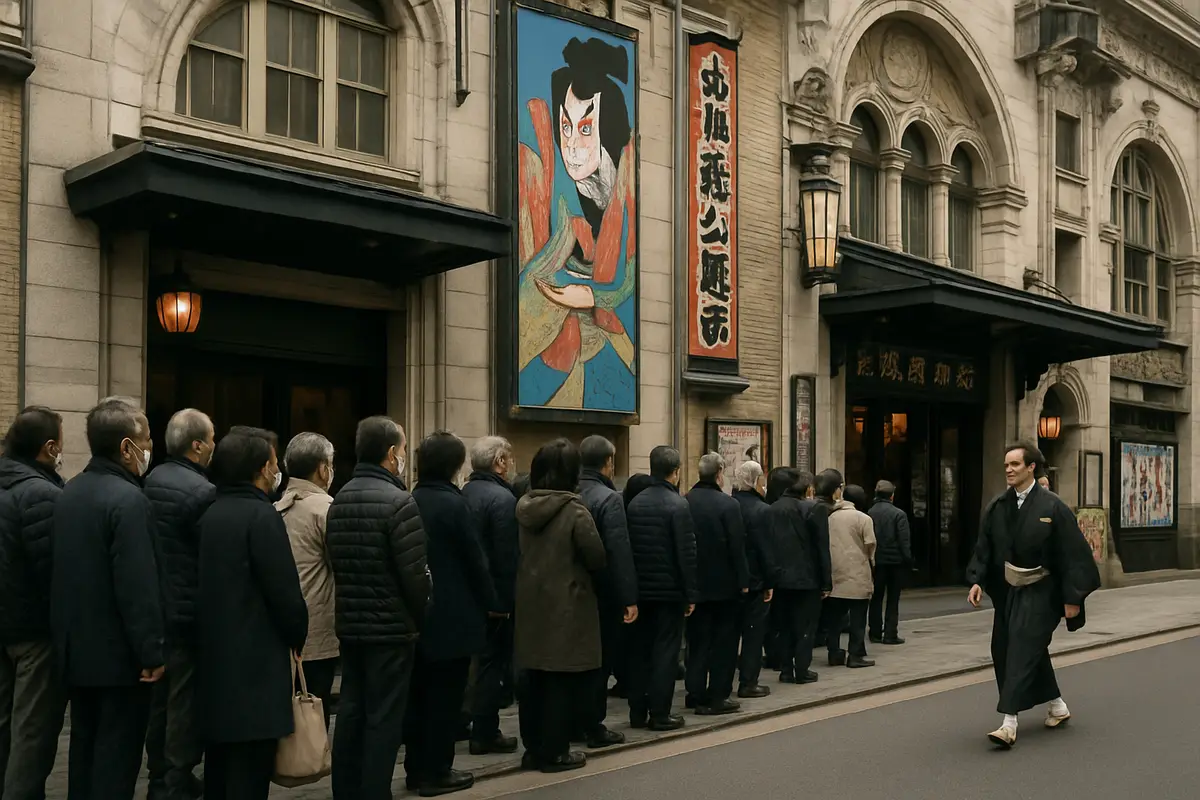
この画像はAIで生成され、学習目的で使用されています。
This image is AI-generated and used for educational purposes.
大阪にある「大阪松竹座」で、最後の歌舞伎の公演が行われました2。この劇場は103年の長い歴史を持っています3。
大阪松竹座は1923年に建てられました4。多くの有名な役者がこの舞台に立ち、歌舞伎や演劇を上演してきました5。しかし、建物が古くなったため、建て直すことになりました6。
最後の公演には、たくさんの観客が集まりました7。役者たちは心を込めて演じ、客席からは大きな拍手が送られました8。新しい劇場は数年後に完成する予定です9。
Discussion
to rate or comment.
No comments yet.